When the function of the prostate gland is disrupted, various health problems may arise, ranging from urinary difficulties to a decline in sperm quality. This condition can certainly affect a couple’s chances of achieving pregnancy more quickly.
In fertility programs (trying to conceive), attention is often more focused on the mother’s health. However, the father’s reproductive health plays an equally important role. One of the key organs in the male reproductive system is the prostate gland.
The prostate gland supports sperm production and quality. When its function is impaired, it not only causes health complaints but can also reduce male fertility and affect a couple’s chances of conceiving.
What Is the Prostate Gland?
The prostate gland is a small, walnut-sized gland located in the male pelvic cavity, just below the bladder and surrounding the initial part of the urethra (the channel through which urine and semen pass).
The prostate is found only in men and undergoes two natural phases of enlargement:
Mulai Journey of Hope
During puberty, along with rising testosterone levels
Around the age of 40 and above, due to changes in male hormonal balance
Although this enlargement can be normal, changes in prostate size or function should still be monitored, especially for men who are trying to conceive.
Structure of the Prostate Gland and Its Functions
Anatomically, the prostate gland consists of several parts (lobes) that work together to support the male reproductive system. Each part has a specific role in producing prostatic fluid and regulating ejaculation.
The coordination of all these components makes prostate function crucial for maintaining sperm quality and successful fertilization. The main functions of the prostate gland include:
1. Producing Prostatic Fluid as a Component of Semen
The prostate gland produces prostatic fluid, which forms a major part of semen. This fluid serves as a supportive medium that allows sperm to survive and move optimally. Prostatic fluid contains:
Enzymes that liquefy semen after ejaculation
Zinc, which helps maintain sperm structure and function
Citric acid, which serves as an energy source for sperm
This combination helps improve sperm motility (movement), an important factor in supporting fertility.
2. Maintaining pH Balance and an Ideal Environment for Sperm
Prostatic fluid is slightly alkaline, which helps neutralize the acidic environment of the vagina. This more favorable environment allows sperm to survive longer and increases their chances of reaching the egg.
For men who are trying to conceive, this condition is an important factor in keeping sperm active after ejaculation.
3. Regulating the Pathway of Sperm During Ejaculation
During ejaculation, the prostate gland works together with the bladder sphincter muscle to temporarily close the urinary tract. This mechanism prevents semen from entering the bladder and ensures that sperm are expelled through the urethra.
Disruption of this function can lead to suboptimal ejaculation, which may affect the chances of fertilization.
4. Supporting the Action of Testosterone
The prostate gland plays a role in the metabolism of testosterone, the primary hormone that influences:
Sperm production
Sexual desire
Ejaculatory quality
The prostate also converts testosterone into its active form, dihydrotestosterone (DHT). This substance is essential for maintaining sexual function and male characteristics.
5. Contributing to the Quality and Volume of Ejaculate
The prostate helps determine the volume and consistency of semen. Adequate ejaculate volume and appropriate texture allow sperm to move more efficiently toward the egg.
Good ejaculate quality is an important indicator in the evaluation of male fertility during fertility programs.
Prostate Disorders That Can Interfere with Fertility Programs
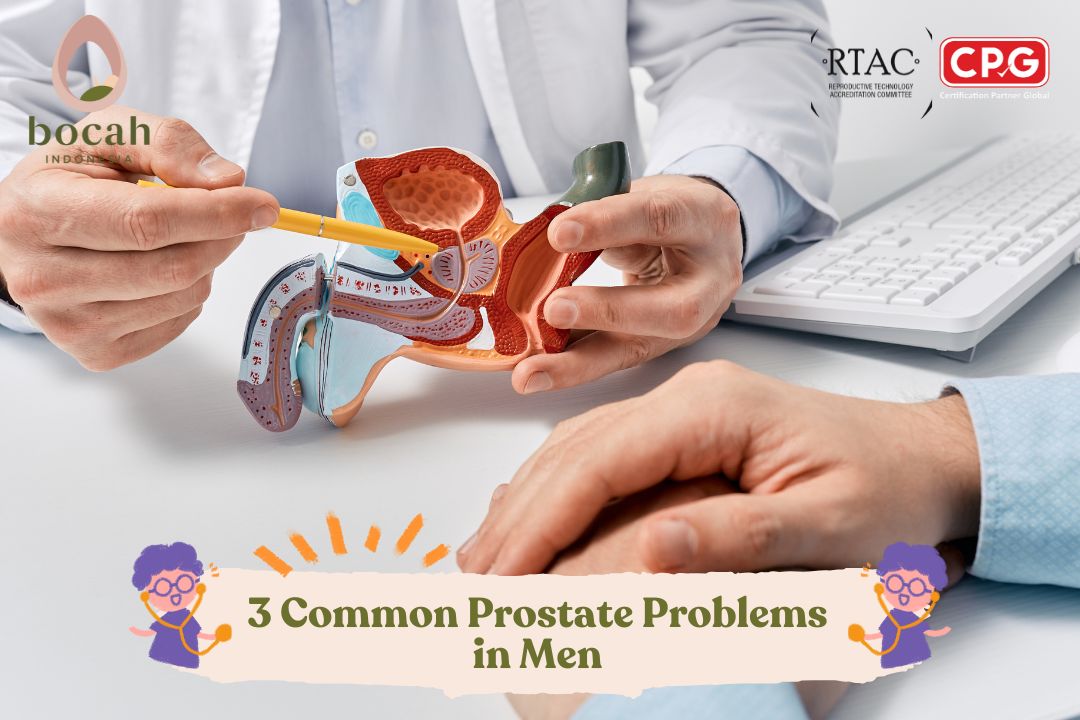
1. Benign Prostatic Hyperplasia (BPH)
BPH occurs when the prostate enlarges in a non-cancerous manner. This condition can compress the urethra and disrupt urine flow and ejaculation. Common symptoms include:
Difficulty starting urination
Weak or interrupted urine stream
Frequent urination at night
A feeling of incomplete bladder emptying
Although more common in older men, BPH can still affect quality of life and sexual function.
2. Prostatitis (Prostate Inflammation)
Prostatitis is inflammation of the prostate caused by bacterial or non-bacterial factors. This condition often affects men of reproductive age, including those trying to conceive. Symptoms include:
Pain during urination or ejaculation
Pain in the pelvic area or lower back
Fever (in certain cases)
Decreased sperm quality
If left untreated, prostatitis can affect sperm count, shape, and motility.
3. Prostate Cancer
Prostate cancer occurs due to abnormal cell growth in the prostate gland. In its early stages, symptoms are often non-specific, making routine screening very important.
Risk factors include age, family history, and obesity. In advanced stages, prostate cancer can have serious effects on reproductive function.
Maintaining Prostate Health to Support Fertility Programs
To keep prostate function optimal during a fertility program, men are advised to:
Consume foods rich in zinc, selenium, lycopene, omega-3 fatty acids, and vitamin D
Increase fruit and vegetable intake
Exercise regularly and maintain a healthy body weight
Avoid smoking and alcohol
Manage stress and maintain good sleep quality
If a man experiences urinary problems, pain during ejaculation, or has been trying to conceive for more than 12 months without success, he should consult a doctor or andrologist.
Prostate health examinations and semen analysis can help identify problems early and improve a couple’s chances of conceiving safely and effectively.