Fertility disorders, or infertility, are conditions that can affect both men and women. This condition may occur due to several risk factors.
Infertility is defined as a condition in which a married couple has been engaging in regular sexual intercourse without using contraception for one year or longer but has not achieved pregnancy. Generally, couples experiencing fertility problems will undergo medical treatment to address the underlying issues before starting a pregnancy program.
Risk Factors for Infertility
Several factors may increase the risk of infertility in couples, including:
1. Advancing Age
In women, increasing age significantly affects fertility. This is due to the decline in both the quality and quantity of oocytes (egg cells). According to research published in the Upsala Journal of Medical Sciences, as a woman’s age increases, her chances of achieving pregnancy decrease. Oocyte quality also continues to decline over time.
2. Smoking or Exposure to Secondhand Smoke
Smoking is a significant risk factor for infertility in both men and women.
Mulai HER Hope
In women, smoking increases the risk of ectopic pregnancy and miscarriage. Exposure to cigarette smoke can also damage reproductive organs and cause premature ovarian aging, leading to a faster depletion of ovarian reserve.
In men, smoking can reduce sperm quality. Harmful chemicals contained in cigarettes may decrease sperm production, impair sperm morphology (shape), and reduce sperm motility (movement). Frequent and prolonged exposure may even result in sperm DNA damage.
3. Excessive Alcohol Consumption
Another risk factor for infertility is excessive alcohol consumption.
In women, long-term alcohol consumption may cause ovulatory disorders.
In men, chronic excessive alcohol intake may reduce libido, cause erectile dysfunction (impotence), and negatively affect sperm quality.
4. Stress
Although often underestimated, stress can also be a risk factor for infertility.
In women, stress can affect the hormonal system and disrupt the function of reproductive organs.
In men, excessive stress may suppress testosterone levels, thereby interfering with spermatogenesis (the process of sperm production).
Fertility Tests That Can Be Performed
Do not worry—experiencing infertility does not mean that the hope of having children is lost. Several diagnostic evaluations can be performed to assess fertility, including:
Transvaginal Ultrasound (TVUS) This examination is performed to assess the condition of the female reproductive organs by inserting an ultrasound probe through the vagina.
Consultation with an Obstetrician-Gynecologist (ObGyn) During this consultation, the physician will review symptoms, discuss medical history, and interpret the ultrasound findings.
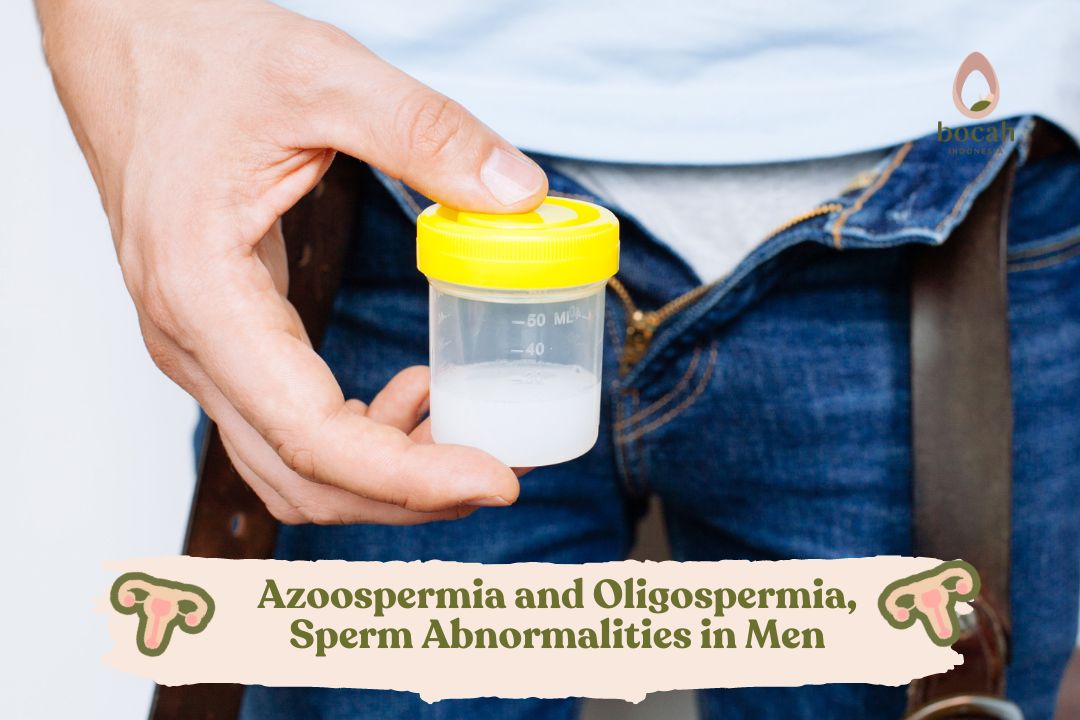
Semen Analysis A collected semen sample will be analyzed to determine the presence and quality of sperm. This evaluation assesses sperm count, morphology, and motility.
Consultation with an Andrologist Similar to the ObGyn consultation, the male partner will discuss the semen analysis results with an andrology specialist to determine appropriate management.
If you and your partner are experiencing infertility issues, seek evaluation at Bocah Indonesia Fertility Clinic to receive appropriate diagnosis and treatment before starting a pregnancy program. Supported by experienced specialist physicians and comprehensive diagnostic facilities, Bocah Indonesia is ready to help you achieve your dream of having a child.