Ovulation testing tools can help women identify when their bodies are at peak fertility. Learn the differences between ovulation test strips and digital ovulation tests here.
The fertile window is the time when a woman’s egg has fully matured and is ready to be fertilized by sperm. During this period, the chances of pregnancy are at their highest. That is why identifying the fertile window is an essential step for couples who are hoping to conceive.
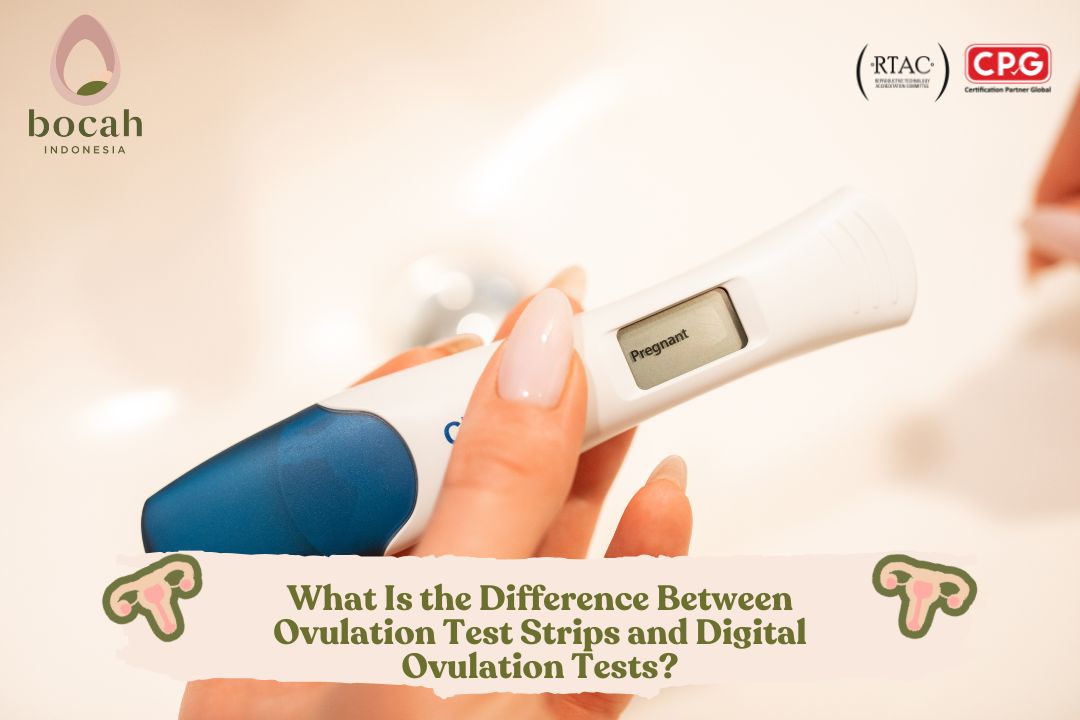
There are two main types of ovulation testing tools: ovulation test strips and digital ovulation tests. Both serve the same purpose—to help identify the fertile window—but they differ significantly in terms of usage method and user convenience.
To avoid choosing the wrong option, it is important to understand the full differences before taking this important step in your fertility journey.
What Is the Most Accurate Way to Test Ovulation?
Ovulation testing is considered a fairly accurate method for detecting the fertile window, especially for couples planning a pregnancy.
Mulai HER Hope
These tests work by measuring the level of luteinizing hormone (LH) in urine. A surge in LH indicates that ovulation is likely to occur within the next 24 to 36 hours.
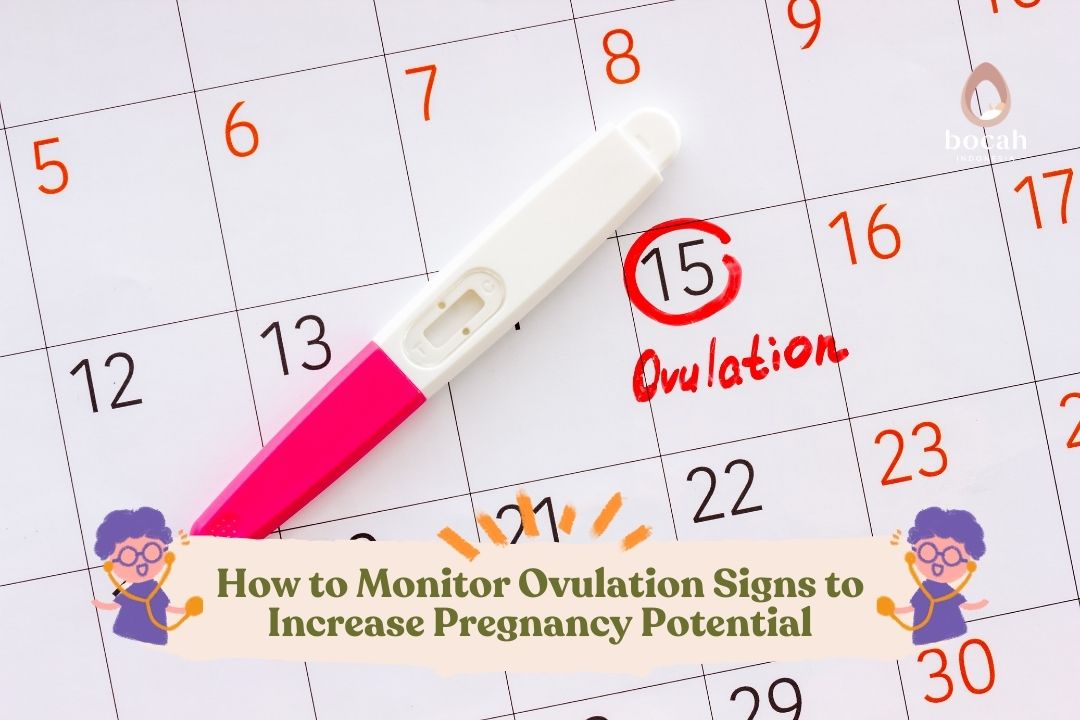
To maximize accuracy, it is recommended that women first estimate their ovulation timing. In a typical 28-day menstrual cycle, ovulation usually occurs around day 14, counted from the first day of the last menstrual period.
Therefore, ovulation tests should be used daily for 3 to 5 days leading up to the expected ovulation date to ensure optimal results.
What Is the Difference Between Ovulation Test Strips and Digital Ovulation Tests?
Knowing the timing of ovulation or the fertile window is extremely important for couples undergoing a fertility program. One practical tool to help detect fertility is the ovulation test, including ovulation test strips and digital ovulation tests.
Below are the key differences to help you choose the most suitable option:
Method of Use
Ovulation Test Strips These tests are used by dipping the strip into a container of urine. After a short waiting period, two lines will appear as the test result.
Digital Ovulation Tests These use an electronic device with a test stick. Once the stick is exposed to urine, the result appears directly on the digital screen in the form of symbols or text, such as a smiley face indicating fertility.
Result Interpretation
Ovulation Test Strips Results are interpreted by comparing the control line with the test line. If the test line is darker than the control line, ovulation is likely to occur soon. However, faint color differences can make interpretation challenging.
Digital Ovulation Tests Results are displayed automatically on the digital screen without the need for manual interpretation, making them easier to understand and reducing the risk of user error.
Accuracy Level
Ovulation Test Strips These tests have good accuracy, but results may be affected by lighting conditions and subjective interpretation.
Digital Ovulation Tests Generally more accurate, as they use digital sensor technology to detect LH surges more precisely.
Cost
Ovulation Test Strips More affordable and suitable for routine or repeated use.
Digital Ovulation Tests More expensive than strips, but they offer greater convenience and ease of use.
User Suitability
Ovulation Test Strips Best suited for women who are familiar with reading strip test results and prefer a cost-effective option.
Digital Ovulation Tests Ideal for women who want fast, accurate results without the hassle of interpreting test lines.
Conclusion
Both types of ovulation tests work by detecting the LH surge in urine, which signals the fertile window. The main differences lie in usage method, ease of result interpretation, accuracy level, and cost.
Women can choose the option that best fits their needs, comfort level, and budget. Most importantly, consistent use and proper adherence to instructions are essential to obtain optimal results in supporting pregnancy planning.
When Should You Use an Ovulation Test?
Menstrual cycles vary among women but typically range from 24 to 38 days. In a 28-day cycle, ovulation usually occurs around day 14, or approximately 14 days before the next menstrual period.
For women with shorter or longer cycles, ovulation timing will shift accordingly.
Most women ovulate within a four-day window around the midpoint of their menstrual cycle. Tracking cycle length each month and estimating the midpoint using a calendar can help identify this timing.
Signs That Your Body Is Ovulating
Several natural signs may indicate the fertile window, including:
Changes in Cervical Mucus
As ovulation approaches, cervical mucus becomes clear, slippery, and stretchy—similar to raw egg whites. After ovulation, it typically becomes thicker, cloudy, or disappears.
Changes in Basal Body Temperature
Basal body temperature is the body’s resting temperature, which slightly increases after ovulation. By recording temperature each morning before getting out of bed, women can identify ovulation patterns. The most fertile period occurs two to three days before the temperature rises.
If monitoring cervical mucus or basal body temperature feels difficult or ineffective, ovulation tests can be used as an alternative. These tests detect the LH surge that occurs before ovulation.
Mild Lower Abdominal Pain (Mittelschmerz)
Some women experience dull or sharp pain on one side of the lower abdomen during ovulation. This phenomenon, known as mittelschmerz, may indicate egg release.
Increased Sexual Desire
Hormonal changes may naturally increase libido around ovulation, enhancing the likelihood of conception.
Breast Tenderness
Hormonal fluctuations during ovulation can cause breasts to feel more sensitive or tender.
Changes in Cervical Position and Texture
As ovulation approaches, the cervix becomes softer, more open, and positioned higher in the vagina—conditions that facilitate sperm entry into the uterus.
Positive Ovulation Test Result
Ovulation tests detect the LH surge in urine, which occurs approximately 24–36 hours before ovulation.
Women can begin testing on the first day identified as fertile by an ovulation tracking app. Perform the urine test once daily. If the result is positive, it is recommended to have intercourse on that day and the following day to increase the chances of pregnancy.
If menstrual cycles are irregular or fertility tracking is challenging, consulting an obstetrician-gynecologist (OB-GYN) is advised for more personalized guidance.
For comprehensive information on pregnancy programs and in vitro fertilization (IVF), readers can explore other articles available on Bocah Indonesia.