A fertility program (program hamil or promil) is not only about tracking the fertile window, taking supplements, or undergoing medical examinations. Lifestyle choices and mental health also play a significant role in achieving pregnancy. One topic that has been increasingly discussed in this context is PMO (Porn, Masturbation, and Orgasm).
PMO is not a formal medical term, but rather a popular term used to describe a habitual cycle of consuming pornography, engaging in masturbation, and reaching orgasm. In some individuals, this habit can develop into compulsive behavior that has tangible effects on marital relationships and readiness for a fertility program.
This article discusses PMO objectively, based on scientific evidence, and is presented in a safe, non-judgmental manner—particularly for couples who are actively trying to conceive.
What Is PMO in the Context of Married Life?
PMO consists of three interrelated components:
P (Porn): Exposure to pornographic content as a sexual stimulus
Mulai HER Hope
M (Masturbation): Self-stimulation performed while consuming such content
O (Orgasm): The attainment of instant sexual gratification
It is important to understand that PMO is fundamentally different from marital sexual intercourse. Intimacy between spouses involves emotional connection, communication, and reciprocal physical interaction. In contrast, PMO is an individual and isolating activity that, over time, may reduce attraction to one’s real-life partner.
How Does PMO Affect the Brain? (The Dopamine Mechanism)
When a person engages in PMO, the brain releases dopamine, a neurotransmitter involved in the brain’s reward system. Dopamine produces feelings of pleasure and satisfaction.
Problems arise when:
Dopamine is released instantly and excessively
There is repeated exposure over a prolonged period
The brain undergoes neuroplastic changes, meaning it alters how it responds to stimuli
As a result, the brain becomes less sensitive to natural stimuli (such as a partner’s touch) and increasingly demands more intense visual stimulation. This mechanism is similar to other forms of behavioral addiction described in neuroscience and psychiatric literature.
The Impact of PMO on Fertility Programs (Promil)
Medically, PMO does not directly cause permanent infertility. However, PMO can interfere with the process of conception through several key mechanisms:
PIED refers to a condition in which a man experiences difficulty achieving or maintaining an erection with a real-life partner, despite the absence of organic or structural abnormalities.
Mechanism:
The brain becomes conditioned to extreme visual stimulation
Responsiveness to natural sexual stimulation from a spouse decreases
Impact on fertility programs: Without optimal erectile function, penetration and sperm delivery into the uterus may be inadequate, thereby reducing the likelihood of natural conception.
2. Reduced Frequency of Sexual Intercourse
Successful conception requires regular sexual intercourse, particularly during the fertile window.
Compulsive PMO may lead to:
Decreased libido toward one’s partner
Sexual energy being “depleted” before marital intercourse
Reduced frequency of spousal sexual relations
When intercourse becomes infrequent, the chance of sperm meeting the egg also declines.
3. Unrealistic Sexual Expectations
Pornographic content often portrays sexual scenarios that do not reflect real-life intimacy.
Potential consequences include:
Dissatisfaction with one’s partner
Increased pressure during sexual activity
An emotionally uncomfortable sexual atmosphere
A relaxed and emotionally secure psychological state is essential for reproductive success.
4. Physical and Mental Fatigue
Excessive masturbation may result in:
Chronic fatigue
Reduced physical stamina
Impaired focus and decreased motivation for healthy living
Both physical exhaustion and psychological stress have been shown to affect reproductive hormone balance in men and women.
Emotional Effects of PMO on Marital Relationships
Research in relationship psychology indicates that high levels of pornography consumption are associated with:
Emotional withdrawal
Feelings of guilt and anxiety
Decreased marital satisfaction
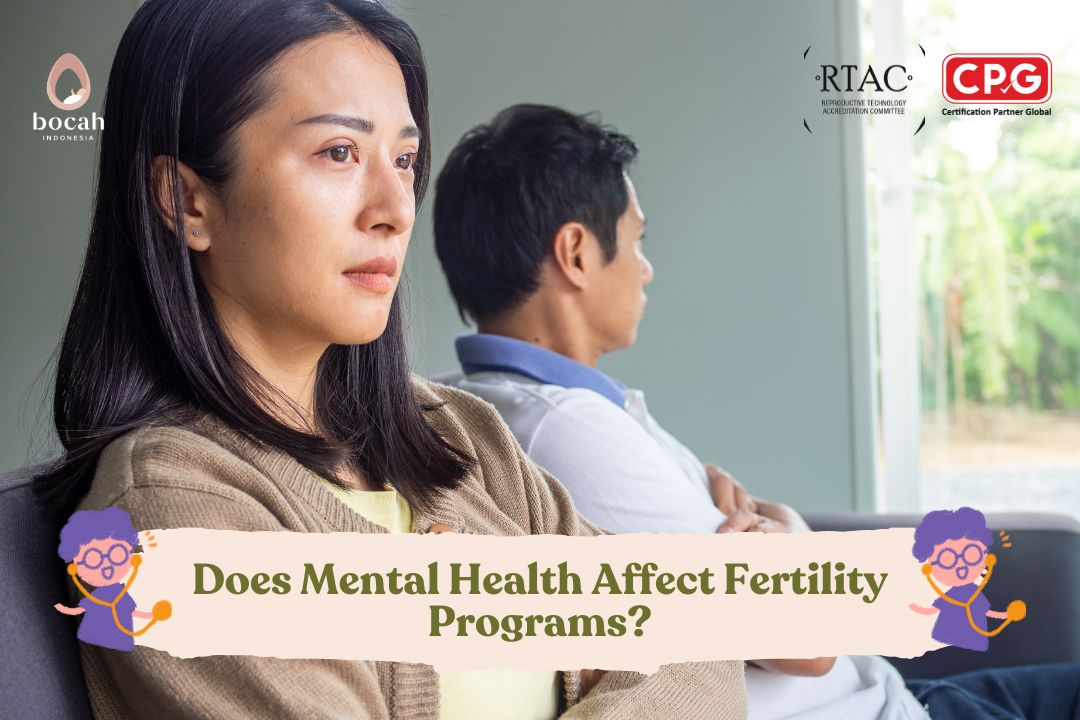
In the context of fertility programs, these factors may increase stress in female partners, potentially disrupting ovulation and hormonal balance.
A Simple Analogy for Better Understanding
Imagine marital sexual intimacy as a bridge, and sperm as a courier tasked with delivering a package (fertilization).
PMO is like termites that gradually weaken the bridge’s foundation:
Sperm is still produced
However, the bridge (erection quality, libido, and intimacy) becomes fragile
As a result, the courier never reaches the destination
What Can Couples in a Fertility Program Do?
If PMO begins to interfere with the relationship or fertility efforts, the following steps may be considered:
Open Communication
Discuss the issue with your partner without blame. PMO is often triggered by stress, fatigue, or loneliness.
Shift to “Healthy Dopamine” Sources
Engaging in exercise together, spiritual activities, quality time, and positive hobbies can help normalize dopamine regulation.
Limit Access
Reduce gadget use when alone and consider installing content-blocking features if necessary.
Consider Professional Support
If the behavior becomes difficult to control and significantly affects the relationship, consulting a psychologist or psychiatrist is a safe and responsible option.
Conclusion
PMO does not directly render men or women infertile, but it can undermine the natural pathway to conception through:
Erectile dysfunction (PIED)
Reduced frequency of sexual intercourse
Emotional distance and psychological stress
Physical and mental fatigue
For couples trying to conceive, reducing or discontinuing PMO may help restore natural sexual sensitivity, improve relationship quality, and increase the chances of achieving pregnancy.