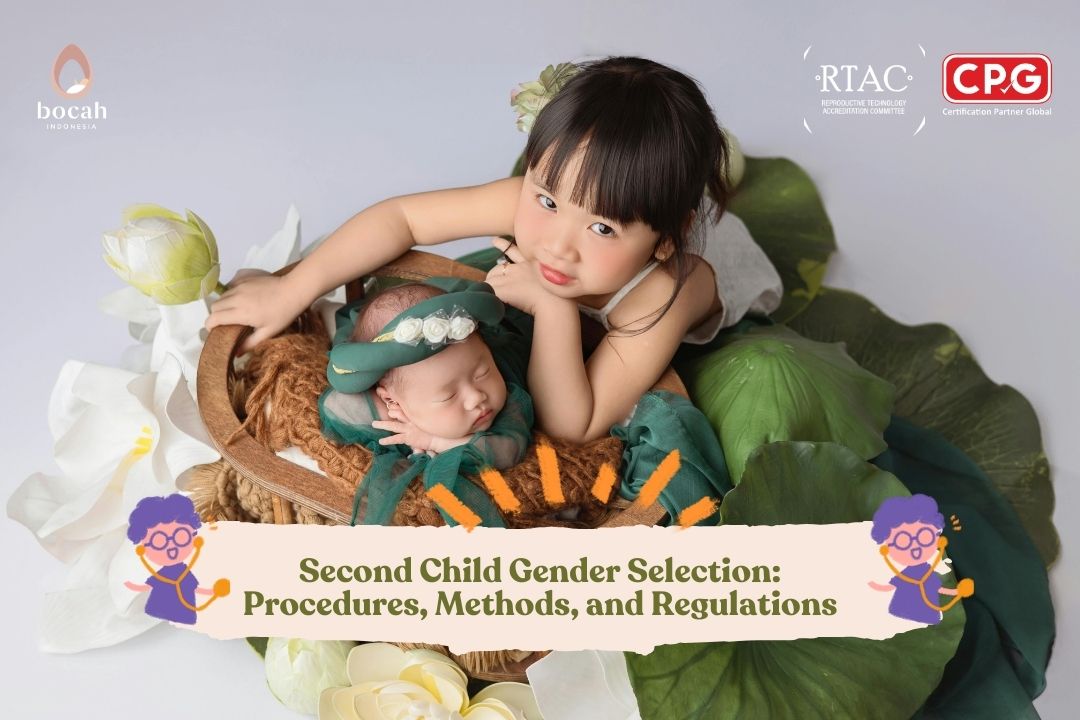
Selection of a baby’s sex can be performed through assisted reproductive programs such as in vitro fertilization (IVF). This procedure may be considered if parents are planning for a second child.
Some couples may not place importance on the sex of the baby being carried. However, others may hope for a specific sex for their child.
Although this may seem impossible, sex selection can be achieved through assisted reproductive technology (ART). So, how does the process work?
How Does the Gender Selection Process Work?
Sex selection, or gender selection, can be performed through intrauterine insemination (IUI) or in vitro fertilization (IVF).
Intrauterine insemination (IUI) is an assisted reproductive procedure in which selected sperm are inserted directly into the uterus. Meanwhile, in vitro fertilization (IVF) is a fertility treatment in which fertilization occurs outside the body, where sperm and oocytes (egg cells) are combined in a laboratory setting.
Mulai HER Hope
It is important to understand that a baby’s sex is determined by sperm. Sperm cells carry 23 chromosomes, including one sex chromosome. In males, the sex chromosomes consist of X and Y, while females have two X chromosomes (XX). In simple terms, sperm carrying the Y chromosome result in a male child, whereas sperm carrying the X chromosome result in a female child.
“Generally, with insemination methods, sperm can be selected to increase the likelihood of either male (Y-bearing) or female (X-bearing) sperm, although this method does not guarantee 100% accuracy. Alternatively, with IVF, chromosomal evaluation of the embryo can be performed. This allows us to determine whether the embryo is male or female before it is transferred into the uterus,” explained Dr. Thomas Chayadi, Sp.OG, an obstetrics and gynecology specialist at Bocah Indonesia.
Gender Selection Regulations
Couples who wish to determine the sex of their baby may also decide on the number of embryos to be transferred. However, this decision is made based on the mother’s medical condition and future fetal considerations. There is no absolute rule regarding the number of embryos transferred, but medical guidelines prioritize the safety of both mother and fetus.
It is important to note that sex selection is subject to legal regulations. According to Government Regulation of the Republic of Indonesia No. 61 of 2014, Article 44, assisted reproductive procedures intended solely for sex selection are prohibited, except for the second child and subsequent children.
“Assisted reproduction or pregnancy achieved outside natural methods is prohibited for the purpose of selecting the sex of the child to be born, except in cases of sex selection for a second child or subsequent children.”
In addition, the Indonesian Ulema Council (Majelis Ulama Indonesia, MUI) permits sex determination through IVF for the second child, third child, and beyond.
In conclusion, gender selection for a second child may be performed through assisted reproductive procedures such as IUI or IVF. If parents wish to pursue sex selection for a second or subsequent child, consultation with a qualified physician is strongly recommended to discuss the appropriate medical procedures and regulatory considerations.