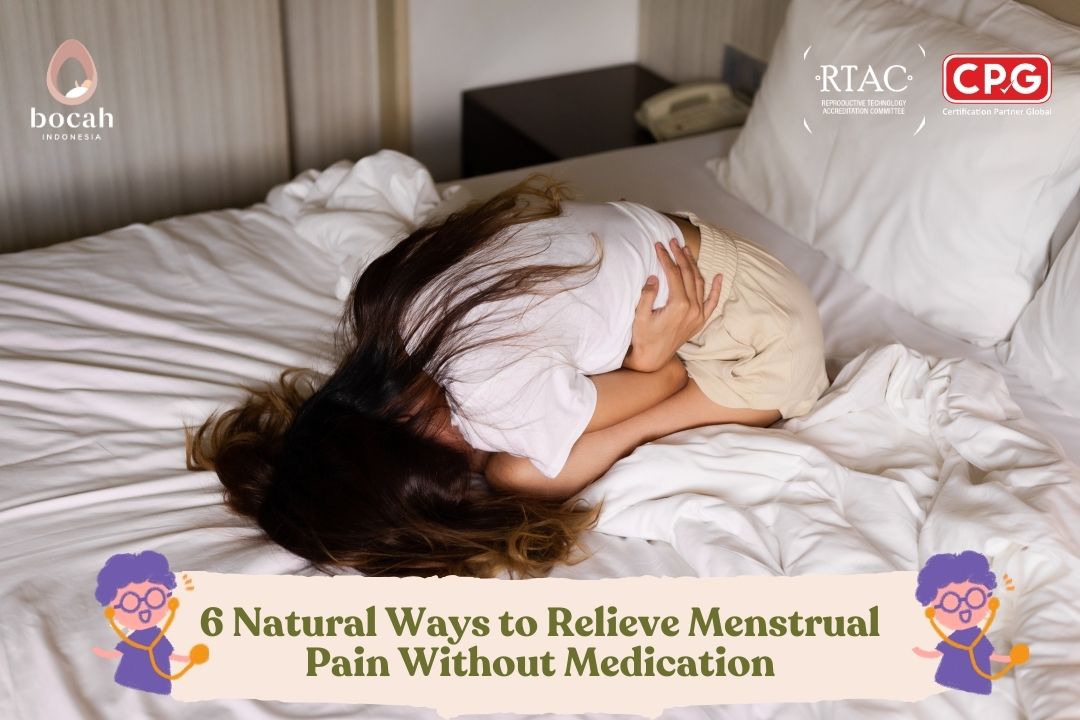
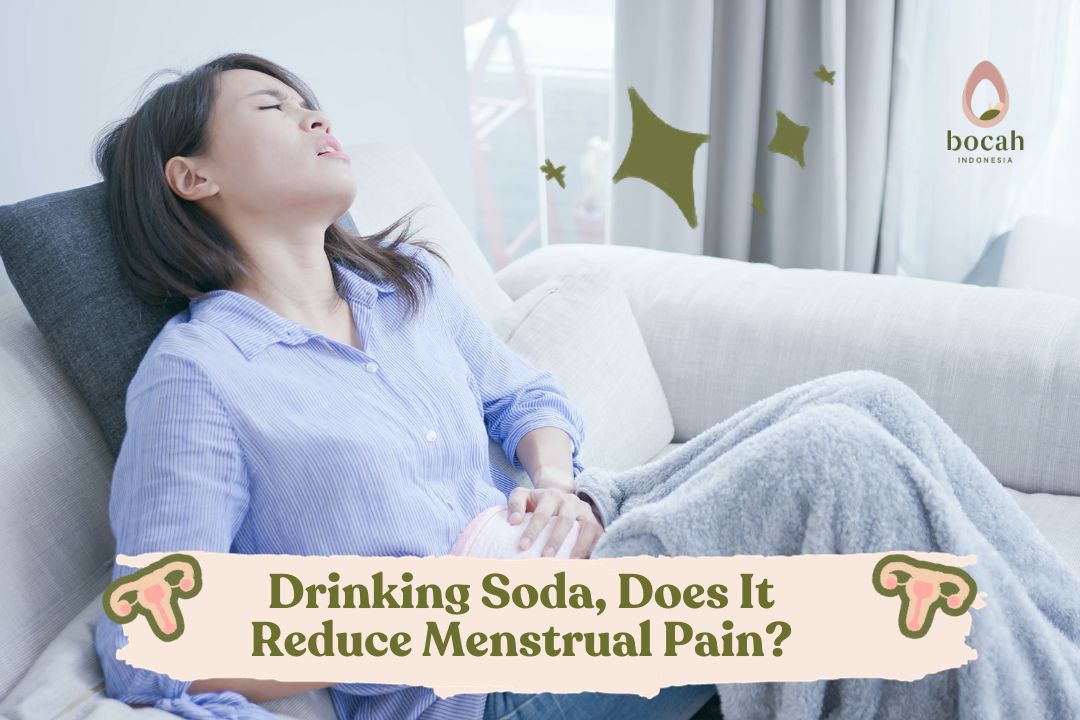
Menstrual pain can cause discomfort and interfere with daily activities. This condition is commonly experienced by many women, especially during the first and second days of menstruation. In some cases, menstrual cramps can be quite severe, causing fatigue and making it difficult to carry out normal activities.
Menstrual pain, also known as dysmenorrhea, is one of the most common complaints among women of reproductive age. Several studies show that more than 50–90% of women worldwide experience menstrual painwith varying levels of severity. Some global studies also report that around 71% of women experience menstrual cramps during their menstrual cycle.
In Indonesia, menstrual pain is also quite common. Several studies suggest that approximately 64.25% of women experience dysmenorrhea, ranging from mild discomfort to severe pain that may interfere with daily activities. Among adolescent girls, the prevalence may even reach 60–75%, particularly in the years following their first menstruation.
Menstrual cramps usually occur due to contractions of the uterine muscles when the uterine lining sheds during menstruation. This process is triggered by increased levels of prostaglandins, substances that stimulate uterine contractions. When prostaglandin levels are higher, uterine contractions can become stronger, leading to cramps in the lower abdomen.
Although menstrual pain is generally considered normal, there are several natural methods that may help relieve menstrual cramps without relying on pain-relieving medications.
Mulai HER Hope
Traditional Remedies for Menstrual Pain
In addition to medical treatments such as paracetamol or ibuprofen, several natural and traditional remedies may help relieve menstrual cramps. These methods aim to relax uterine muscles, improve blood circulation, and promote overall relaxation during menstruation.
1. Drinking Herbal Tea
One natural way to relieve menstrual pain is by consuming herbal teas such as chamomile teaor ginger tea.
Chamomile tea contains a compound called apigenin, which may help relax tense uterine muscles. Meanwhile, ginger is known for its anti-inflammatory properties, which may help reduce prostaglandin levels in the body and alleviate menstrual cramps.
Warm beverages can also provide a calming effect on the body during menstruation.
2. Applying a Warm Compress to the Abdomen
Applying a warm compress to the lower abdomen is a common method used to relieve menstrual cramps.
Warm temperatures can help relax contracting uterine muscles and improve blood circulation in the abdominal area. As a result, menstrual pain may decrease and the body can feel more comfortable.
3. Gentle Abdominal Massage
A gentle massage around the lower abdomen may help relieve menstrual cramps by improving blood circulation and relaxing pelvic muscles.
To make the massage more comfortable, you may use massage oil, coconut oil, or body lotion. Perform gentle circular motions on the lower abdomen.
4. Doing Light Exercise
Light physical activities such as walking, stretching, or yogamay help reduce menstrual pain naturally.
Exercise stimulates the body to release endorphins, which act as natural pain relievers. Endorphins can also improve mood and help the body feel more relaxed during menstruation.
5. Using Aromatherapy Oils
Certain essential oils such as lavender, cinnamon, and clove oilare known for their calming effects and may help relieve menstrual cramps.
Aromatherapy oils can be applied to the abdominal area or used during a gentle massage. Their soothing aroma may help the body relax and reduce discomfort during menstruation.
6. Acupuncture Therapy
Acupuncture is a therapeutic method originating from traditional Chinese medicine and is now widely used as a complementary therapy in modern medical practice.
This therapy involves inserting fine needles into specific points on the body to stimulate the nervous system and promote the release of endorphins. Some studies suggest that acupuncture may help reduce menstrual cramps and promote relaxation.
Severe Menstrual Pain Should Not Be Ignored
Although menstrual pain is often considered normal, severe pain that interferes with daily activities should not be ignored.
In some cases, severe menstrual pain may be associated with reproductive health conditions such as endometriosis, a disorder in which tissue similar to the uterine lining grows outside the uterus. This condition can cause more intense and prolonged menstrual pain.
If menstrual pain becomes severe, lasts for several days, or is accompanied by unusually heavy bleeding, it is advisable to consult a doctor for further evaluation.
Conclusion
Menstrual pain is a common condition experienced by many women. It typically occurs due to uterine muscle contractions triggered by increased prostaglandin levels during menstruation.
Several natural approaches may help relieve menstrual cramps, including drinking herbal tea, applying warm compresses, gentle massage, light exercise, aromatherapy, and acupuncture therapy.
However, if menstrual pain becomes severe or persists for a long time, it is important to seek medical consultation to determine the underlying cause.