For women who are currently trying to conceive (TTC) or undergoing a pregnancy program, paying close attention to the menstrual cycle is very important.
The menstrual cycle is not only an indicator of reproductive health, but also serves as a key reference for identifying the fertile window and the best time for sexual intercourse to increase the chances of pregnancy.
In general, a normal menstrual cycle occurs every 21–35 days, calculated from the first day of menstruation to the first day of the next period. In women with regular cycles, ovulation (the release of an egg from the ovary) typically occurs about 12–14 days before the next menstrual period. Therefore, if your menstrual cycle is regular, the fertile window can be estimated more easily.
Irregular menstrual cycles can make it difficult to predict the fertile period. However, the good news is that in many cases, this condition can be improved through lifestyle modifications and the consumption of foods believed to help regulate menstruation, without immediately resorting to medications.
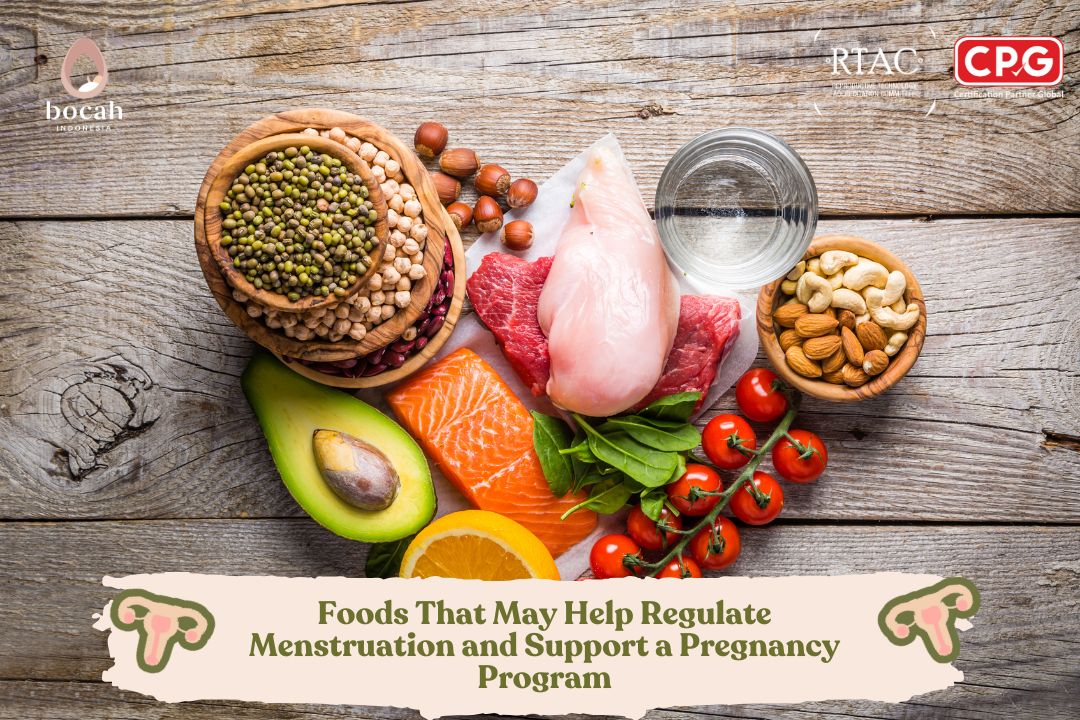
Foods That May Help Regulate Menstruation
Some natural foods are believed to help regulate menstruation by supporting hormonal balance and blood circulation. Below are several options that are relatively easy to find:
Mulai HER Hope
1. Turmeric
Turmeric contains active compounds that may help improve blood circulation. In addition, turmeric is known to have estrogen-like effects, which may help improve irregular menstrual cycles. Turmeric can be consumed as a traditional herbal drink, dietary supplement, or added to daily meals.
2. Ginger
Ginger has long been used in traditional medicine to help address irregular menstruation. In addition to its potential role in regulating menstrual flow, ginger may also help relieve menstrual pain and provide a warming effect on the body. Ginger can be consumed as tea or herbal beverages, but excessive intake should be avoided.
3. Pineapple
Pineapple contains the enzyme bromelain, which is believed to help improve blood flow and support the shedding of the uterine lining. Although its effectiveness as a menstrual regulator still requires further research, pineapple remains beneficial due to its nutritional content.
4. Papaya
Papaya is rich in carotene and is believed to help increase estrogen levels and stimulate uterine contractions. Additionally, its fiber content helps relieve constipation, which is commonly experienced by some women before menstruation.
5. Green Vegetables
Green vegetables such as spinach, water spinach (kangkung), mustard greens, and broccoli are rich in folate, an essential nutrient that supports ovulation and reproductive hormonal balance. Adequate folate intake is especially beneficial for women who are trying to conceive.
6. Fish
Fish such as salmon, sardines, and anchovies contain healthy fats and vitamin D, both of which play important roles in hormonal function and ovulation. Vitamin D deficiency has been associated with irregular menstrual cycles.
7. Cinnamon
Cinnamon is known to help regulate insulin levels, particularly in women with conditions such as polycystic ovary syndrome (PCOS). More stable insulin levels may help improve reproductive hormone balance, leading to more regular menstrual cycles.
8. Peppermint
Peppermint tea is often used as an herbal drink to help relieve cramps and discomfort during menstruation. Although the exact mechanism is not fully understood, peppermint may provide a relaxing effect.
Other Important Considerations When Trying to Conceive
In addition to consuming foods that may help regulate menstruation, women who are trying to conceive are also encouraged to:
Eat a balanced and nutritious diet
Engage in regular light to moderate exercise
Manage stress effectively
Get adequate sleep and rest
If you have tried various natural approaches but your menstrual cycle remains irregular, delayed, or does not occur at all, it is advisable to consult a doctor promptly. A medical evaluation is necessary to determine the underlying cause and to establish appropriate treatment, such as hormonal therapy or specific medications.
When Is the Recommended Time for Intercourse After Menstruation?
In the context of trying to conceive, the recommended time for sexual intercourse is several days after menstruation ends until just before ovulation. In general:
If your menstrual cycle is around 28 days, ovulation usually occurs on day 14.
The fertile window lasts approximately 5 days before ovulation and 1 day after ovulation.
This means regular intercourse can begin around day 7 to day 15 of the menstrual cycle.
Having intercourse every 2–3 days during the fertile window is considered more effective than doing so too infrequently or too often. This pattern helps maintain sperm quality and increases the likelihood of fertilization.
Does Delayed or Irregular Menstruation Affect a Pregnancy Program?
Delayed or irregular menstruation is a common concern among women, including those who are trying to conceive. This condition may be influenced by various factors, such as:
Physical or emotional stress
An unbalanced diet
Unhealthy lifestyle habits
Changes in body weight
Previous use of oral contraceptive pills
Hormonal disorders or certain medical conditions
For couples who are trying to conceive, understanding the menstrual cycle and maintaining its regularity is a crucial first step in improving the chances of pregnancy.
For more information on fertility, pregnancy, and reproductive health, couples can explore other educational articles on Bocah Indonesia, a trusted companion in the journey toward a healthy and well-planned pregnancy.