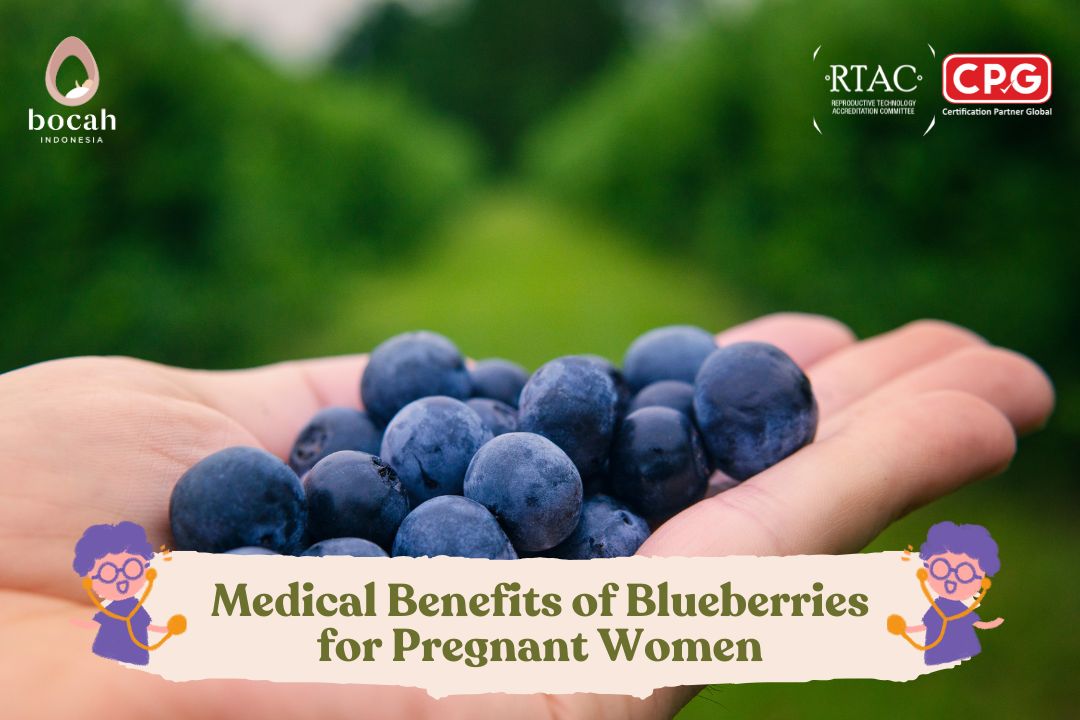
For parents who are awaiting the arrival of their little one, meeting nutritional needs is extremely important. Proper nutrient intake not only supports fertility during the preconception period but also helps maintain the mother’s health and the fetus’s well-being once pregnancy occurs. One fruit known for its wide range of benefits is the blueberry, often referred to as a superfood due to its comprehensive nutritional profile.
Below is an in-depth discussion of the benefits of blueberries for pregnant women and couples undergoing a pregnancy program, based on medical data from various trusted sources.
1. “Superfood” Nutritional Profile of Blueberries
Blueberries are an ideal fruit for mothers during the preconception period and throughout pregnancy. They are nutrient-dense yet relatively low in calories, making them safe for helping maintain a healthy body weight.
In one serving, blueberries contain:
Basic composition: Approximately 84% water, ±57 calories, and a low glycemic index, making them safe for consumption during pregnancy.
Mulai Journey of Hope
Macronutrients: Carbohydrates (±14.5 g), natural sugars (±10 g), dietary fiber (2.4–3.6 g), and protein (0.7–1.1 g).
Essential micronutrients: Vitamin C, vitamin K (including vitamin K1/phylloquinone), vitamin B6, folic acid, calcium, potassium, manganese, phosphorus, and magnesium.
2. Protection Against the Risk of Preeclampsia
One pregnancy complication that requires attention is high blood pressure occurring after 20 weeks of gestation, which may develop into preeclampsia. Blueberries play an important role in helping reduce this risk through two main mechanisms:
Role of potassium: Potassium helps maintain fluid balance and stabilize blood pressure in pregnant women.
Role of anthocyanins: Anthocyanins, the natural blue-purple pigments found in blueberries, help improve endothelial cell function (the lining of blood vessels). This supports smoother blood flow and helps prevent hypertension, thereby reducing the risk of preeclampsia.
3. Supporting Fetal Development and the Childbirth Process
The nutrients in blueberries also play a significant role in supporting fetal growth and preparing the mother for labor and delivery.
Supporting blood clotting: Vitamin K1 (phylloquinone) contributes to the blood-clotting process, helping reduce the risk of excessive bleeding during childbirth.
Preventing birth defects: Folic acid is essential for fetal nervous system development, especially during early pregnancy.
Enhancing iron absorption: Vitamin C in blueberries improves iron absorption, helping prevent anemia in the mother and ensuring the fetus receives an adequate oxygen supply.
4. Maintaining Maternal Immune Function and Digestive Health
During pregnancy, the mother’s immune system may weaken, and digestive processes often slow down.
Immune system support: The antioxidants in blueberries help protect the body from free radicals and support overall immune function.
Relieving constipation: The relatively high fiber content (up to 3.6 g per serving) helps promote healthy digestion and relieve constipation, a common complaint during pregnancy.
5. Benefits of Blueberries for Couples Undergoing a Pregnancy Program
The benefits of blueberries are not limited to pregnancy alone but are also relevant during the preconception period.
Supporting the chance of conception: Antioxidants help reduce inflammation caused by free radicals that may interfere with fertilization.
Maintaining reproductive cell quality: Vitamin C and folic acid contribute to maintaining the quality of reproductive cells, supporting fertility in both partners.
Recommendations for Blueberry Consumption for Parents
To maximize the benefits of blueberries, the following consumption recommendations may be applied from the preconception period through pregnancy:
Recommended intake: Consume in moderation, approximately two servings of fruit per day. Harvard Medical School notes that consuming around 200 grams of blueberries may help lower blood pressure.
Methods of consumption:
Fresh: Ensure blueberries are thoroughly washed before consumption.
Processed: Blueberries can be prepared as juice, jam, or mixed into pancakes. For added nutrition, mothers may incorporate blueberries into pancake batter made with pregnancy-specific milk products.
Precautions: Excessive consumption may cause digestive discomfort. If allergic reactions or other symptoms occur, parents are advised to consult a healthcare professional.
By incorporating blueberries into the daily diet starting from the pregnancy program period, parents not only help improve the chances of conception but also prepare the mother’s body for a healthier pregnancy, with a lower risk of hypertension and anemia.