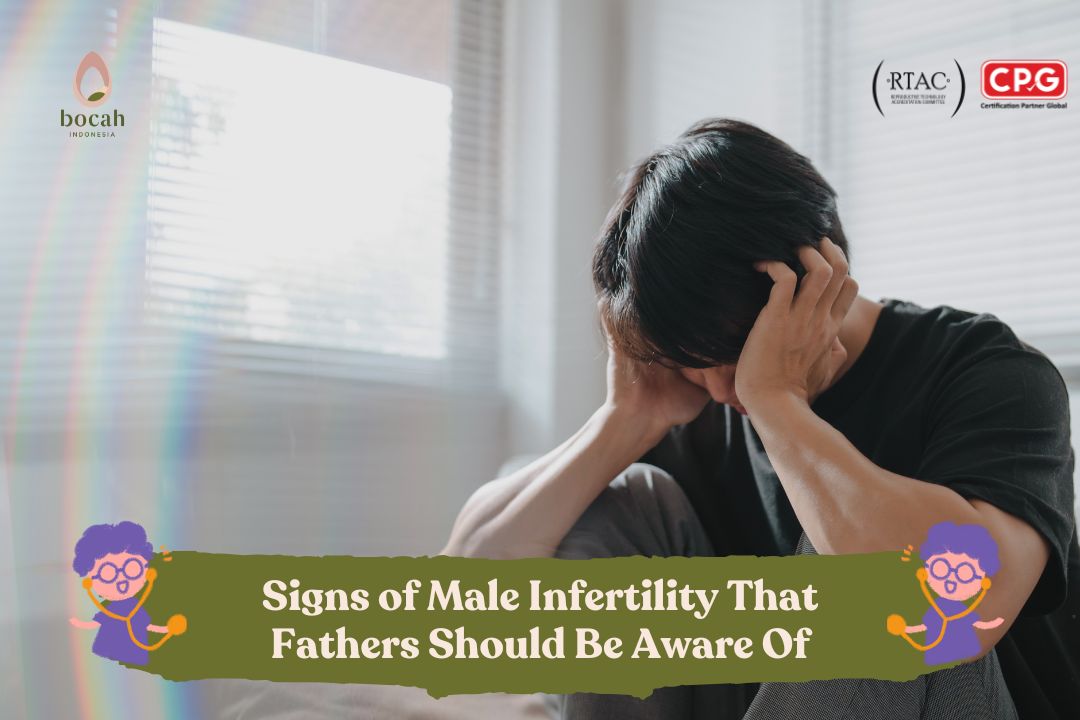
From certain physical conditions to the assumption that watery semen indicates difficulty in conceiving, these beliefs often create unnecessary anxiety and may even lead to blaming one’s partner. However, are all these assumptions medically accurate?
Fertility problems are often only recognized after a couple has been trying to conceive (TTC) for a considerable period without success. This situation can create significant emotional stress within a marriage, especially if it is not accompanied by proper understanding.
From the male perspective, infertility may be caused by various factors, including suboptimal sperm count and quality, obstruction of the sperm ducts, or sexual dysfunction.
Medically, male infertility is generally suspected when a couple who engages in regular unprotected sexual intercourse has not achieved pregnancy after more than 12 months of trying to conceive. Nevertheless, the signs of male infertility cannot be determined by a single indicator alone.
Read also: Male Infertility and Social Insecurity
Mulai Journey of Hope
Signs and Causes of Male Infertility
In addition to physical and hormonal signs, several other factors are often overlooked but significantly affect male fertility, especially for fathers who are undergoing a conception program with their partners.
1. Low Sperm Count and Poor Sperm Quality
Adequate sperm count and good sperm quality are essential for successful fertilization. In some men, infertility may be characterized by:
Absence of sperm in semen (azoospermia)
Low sperm count (oligospermia)
Abnormal sperm morphology
Watery-appearing semen may also indicate an issue with sperm concentration. These conditions can reduce the likelihood of pregnancy during a conception program.
2. Erectile Dysfunction
Erectile dysfunction occurs when a man has difficulty maintaining an erection or is unable to achieve one. This condition may be triggered by stress, fatigue, excessive alcohol consumption, or hormonal imbalance. Although it does not directly cause infertility, erectile dysfunction can interfere with ejaculation, preventing optimal sperm delivery for fertilization.
3. Breast Enlargement in Men (Gynecomastia)
Breast enlargement in men, or gynecomastia, may indicate hormonal imbalance, particularly between testosterone and estrogen. Elevated estrogen levels combined with reduced testosterone can disrupt spermatogenesis (sperm production), affecting the success of conception efforts.
4. Testicular Pain or Lumps
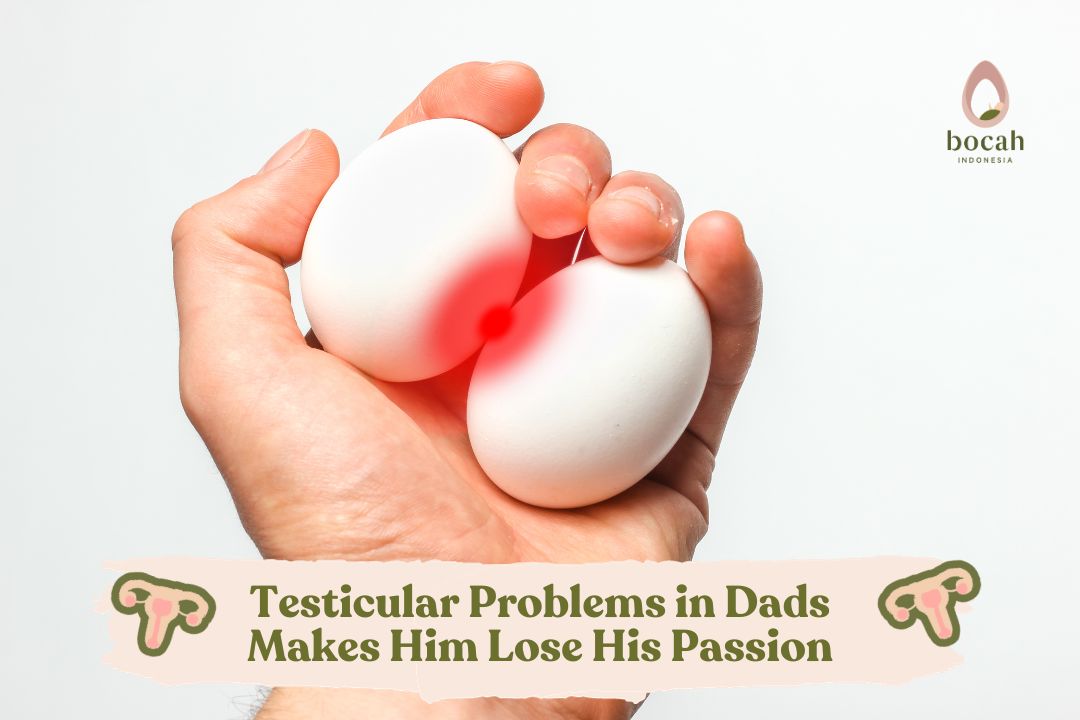
The testes play a crucial role in sperm production. Conditions such as varicocele or testicular cancer may reduce male fertility. Common symptoms include pain, discomfort, or a lump in the testicular area. Medical evaluation is strongly recommended if these symptoms occur.
Read also: Infertility vs. Sterility: What Is the Difference?
5. Hair Loss and Minimal Facial Hair Growth
Testosterone influences hair growth, including beard and mustache development. Excessive hair loss or minimal facial hair growth may indicate low testosterone levels, which are also associated with impaired sperm production.
6. Impaired Sense of Smell
Loss of the sense of smell (anosmia) may occur in certain conditions such as Kallmann syndrome. This disorder is associated with impaired production of sex hormones and may increase the risk of male infertility.
7. Difficulty Building Muscle Mass
Testosterone plays an essential role in muscle development. If muscle mass does not increase despite regular exercise and proper nutrition, this may suggest low testosterone levels, which can also impact fertility.
8. History of Certain Diseases or Infections
Several medical conditions may affect sperm production and quality, including:
Urinary tract infections (UTIs)
Sexually transmitted infections (STIs)
Mumps involving the testes (orchitis)
Chronic diseases such as diabetes mellitus
Untreated infections can cause inflammation or obstruction of the sperm ducts, thereby hindering fertilization.
9. Unhealthy Lifestyle
Smoking, excessive alcohol consumption, use of narcotics or other addictive substances, lack of sleep, and physical inactivity can reduce sperm quality. In addition, excessive heat exposure to the testicular area—such as frequent laptop use on the lap, sauna use, or hot baths—may impair spermatogenesis.
10. Overweight or Underweight
An unhealthy body weight can disrupt hormonal balance in men. Obesity is known to decrease testosterone levels and increase estrogen levels, ultimately affecting sperm quality.
Conversely, being underweight may also interfere with reproductive hormone production. Maintaining an ideal body weight is an important part of supporting conception success.
It is important for both partners to understand that the signs above are not definitive indicators of infertility. To accurately assess male fertility status, medical examinations such as semen analysis and hormonal testing at a healthcare facility are required.
If a couple has been trying to conceive for one year or more without achieving pregnancy, consultation with a physician is strongly recommended.
Early evaluation can help identify the underlying causes of fertility disorders and determine appropriate management, thereby maintaining the opportunity to achieve pregnancy.