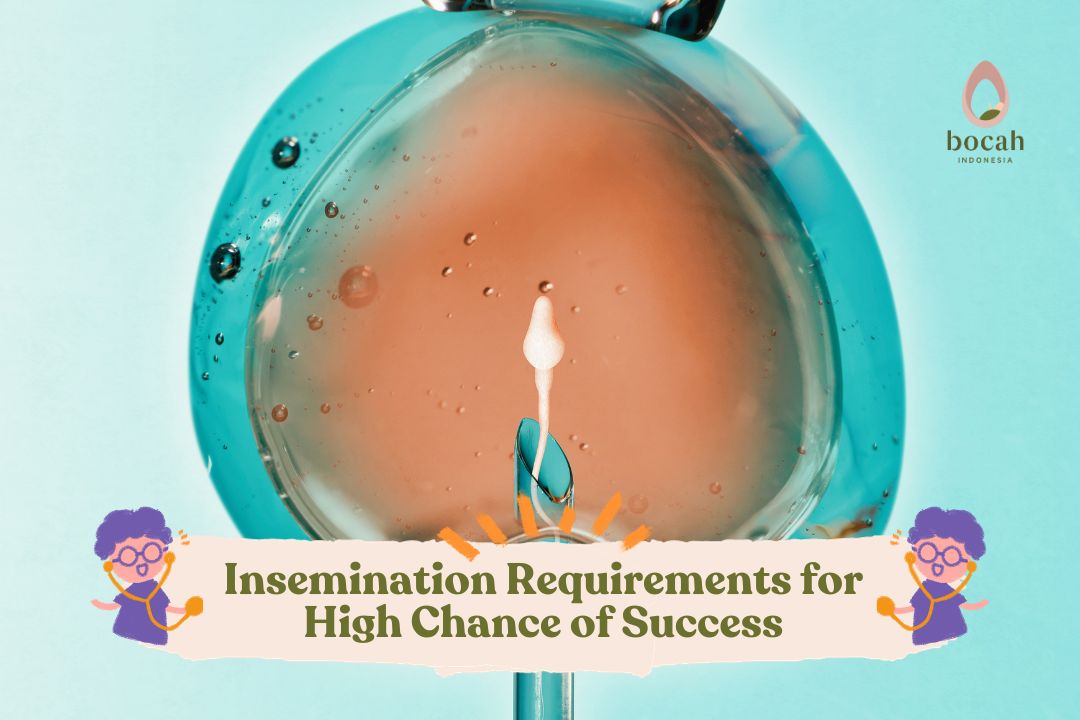
Insemination-based fertility programs are influenced by several factors that can affect their success.
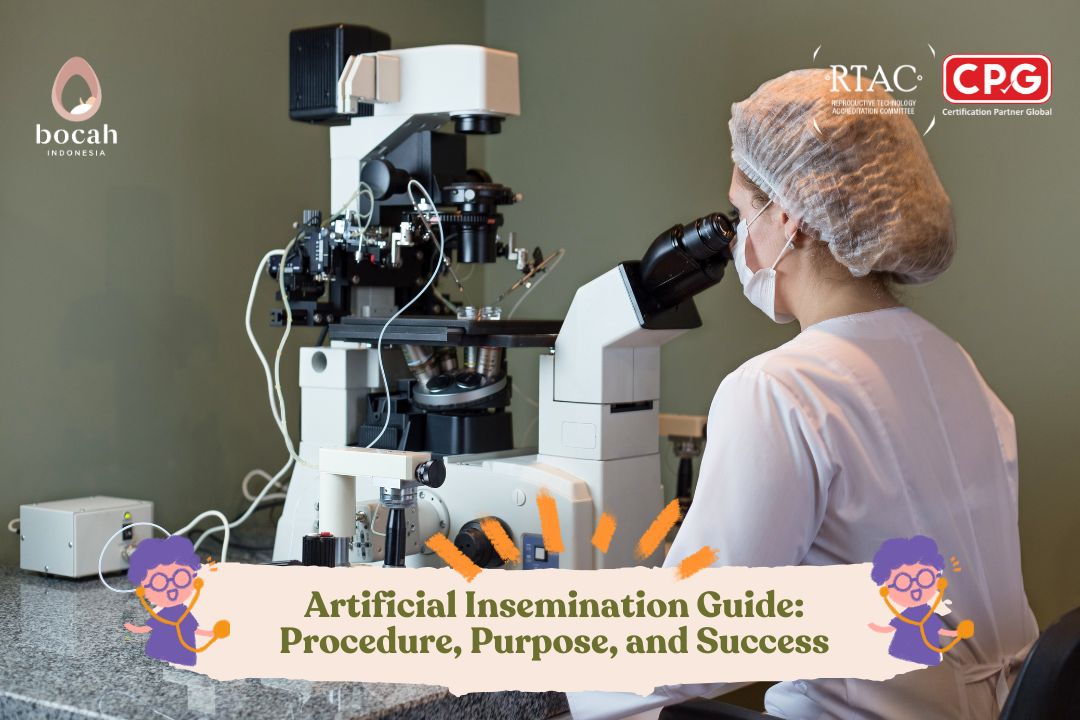
Artificial insemination is one option for married couples who wish to conceive but face fertility challenges. Before undergoing insemination, both partners are advised to undergo a thorough medical evaluation.
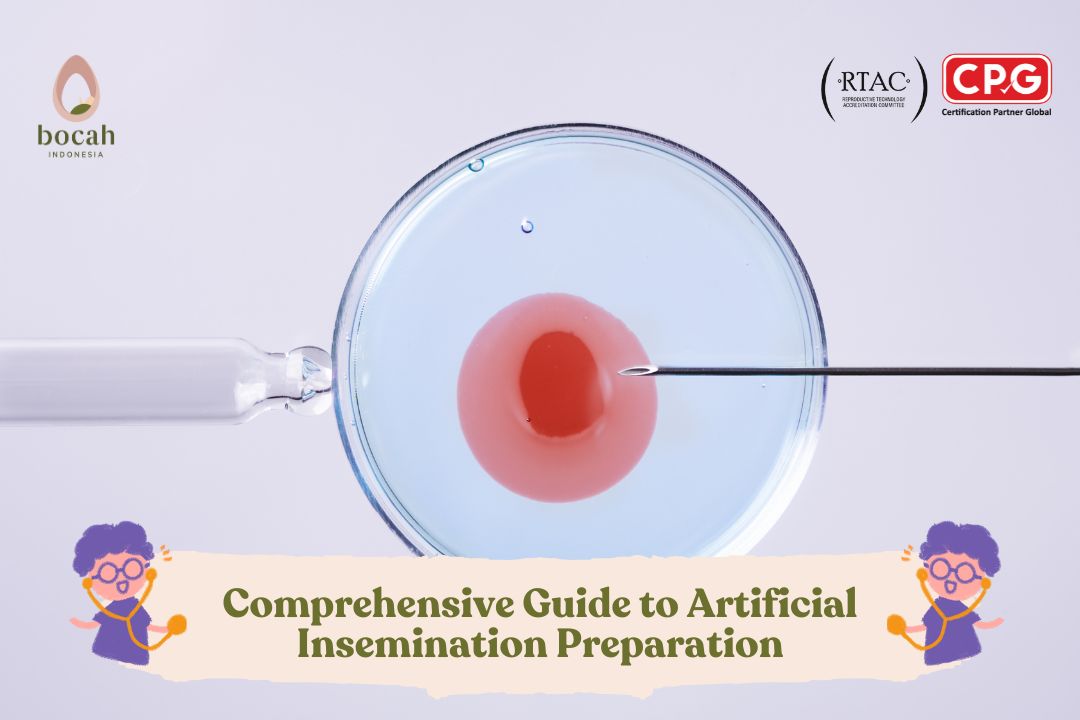
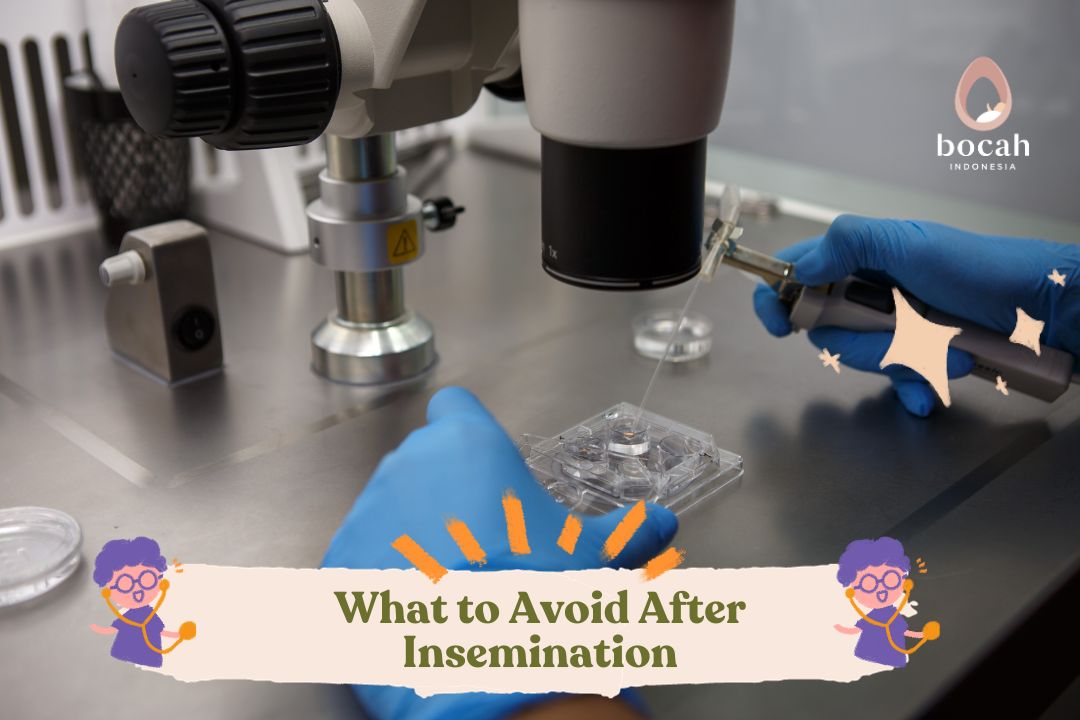
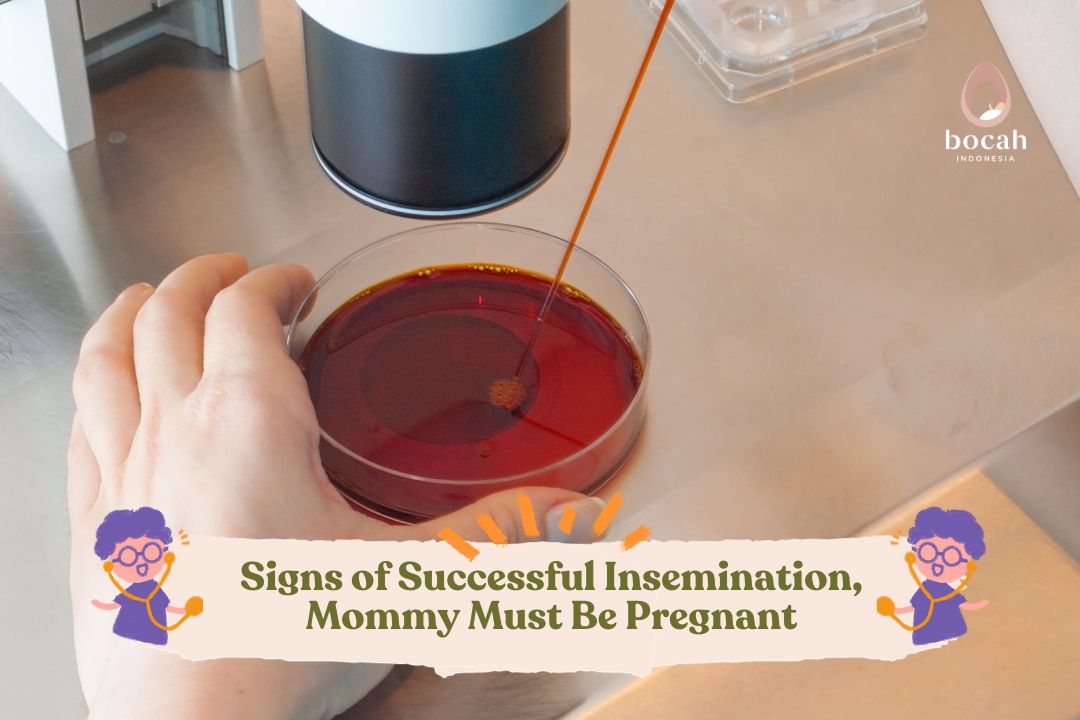
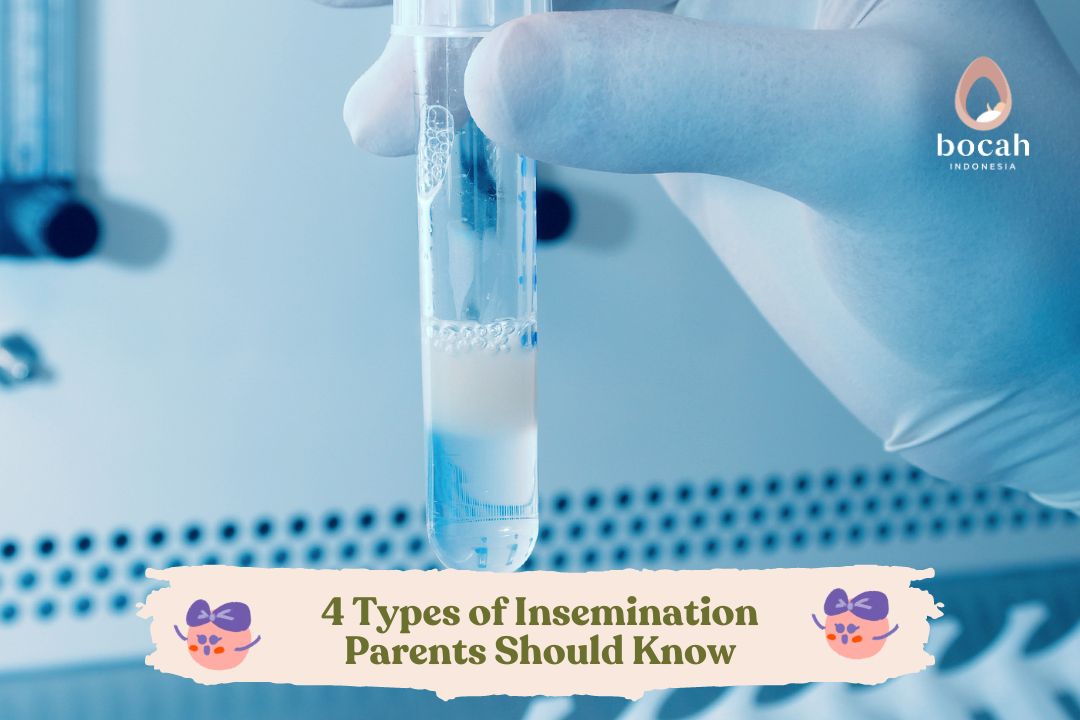
One of the most commonly performed types of artificial insemination is intrauterine insemination (IUI). Intrauterine insemination (IUI) is a fertility procedure in which prepared sperm is placed directly into the uterus to help sperm reach the egg more quickly, thereby increasing the chances of fertilization.
There are several indications for couples planning to undergo an insemination fertility program, including:
Women with polycystic ovary syndrome (PCOS)
Mulai HER Hope
Women with mild endometriosis
Men with fertility disorders, such as abnormal sperm quality, erectile dysfunction, ejaculatory disorders, and others
Sexual intercourse difficulties due to certain medical conditions
Unexplained infertility
Factors Affecting the Success of Insemination
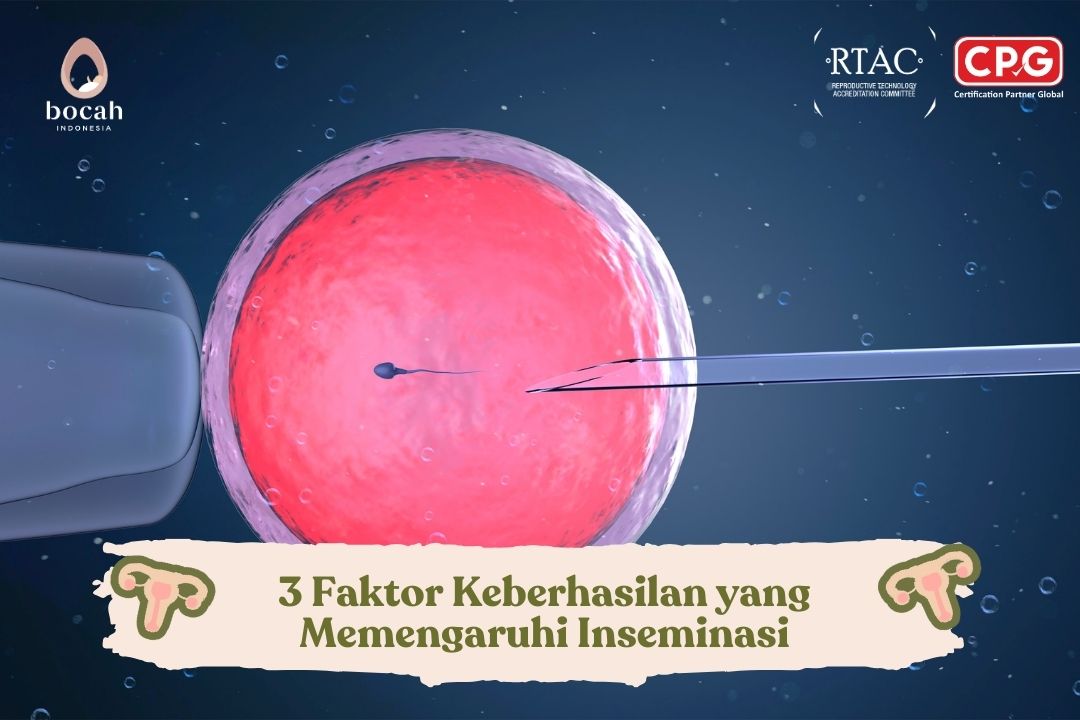
The success rate of an insemination fertility program is approximately 15 percent. This was also emphasized by dr. Febriyan Nicolas, Sp.OG., M.Kes., an obstetrician and gynecologist at Bocah Indonesia, who stated that no fertility program can guarantee a 100 percent success rate.
“The success rate of insemination programs ranges from 10–15 percent because sperm is assisted in entering the uterus and provided with nutritional support. Therefore, there is currently no fertility program that can guarantee a 100 percent success rate,” said dr. Nico.
Similar to in vitro fertilization (IVF), the success of insemination is supported by several factors, including:
1. Maternal Age
Age remains one of the key factors influencing the success of insemination, as a woman’s age significantly affects egg quality.
2. Type of Fertility Disorder
The success of insemination is also influenced by the type of fertility disorder experienced. Before undergoing insemination, women are advised to undergo fertility evaluation and treatment. This is because not all patients are suitable candidates for insemination; only those who meet the appropriate medical indications can undergo this program.
3. Quality of the Inseminated Sperm
Sperm quality plays an important role in the success of insemination. During the insemination process, sperm must still swim toward the egg, making optimal sperm quality essential.
Tips to Optimize an Insemination Fertility Program
After undergoing insemination, women may continue their daily activities as usual. However, it is recommended to avoid strenuous physical activity.
Several tips that can be applied before and after insemination include:
1. Manage Stress Effectively
Both partners should manage stress well before and after insemination. Excessive stress can negatively affect mental and physical health, which may, in turn, influence insemination success.
2. Consume a Healthy Diet
Eating a healthy diet helps meet the body’s nutritional needs and supports reproductive health, thereby increasing the likelihood of successful insemination.
3. Get Adequate Rest
Adequate rest can help optimize the chances of insemination success. Ensure sufficient sleep and reduce late-night habits that may negatively affect sleep quality.
Although the success rate of insemination is only 10–15 percent, according to dr. Nico, this rate is still two to three times higher than natural conception programs.
For couples considering an insemination fertility program, it is strongly recommended to consult a doctor beforehand.