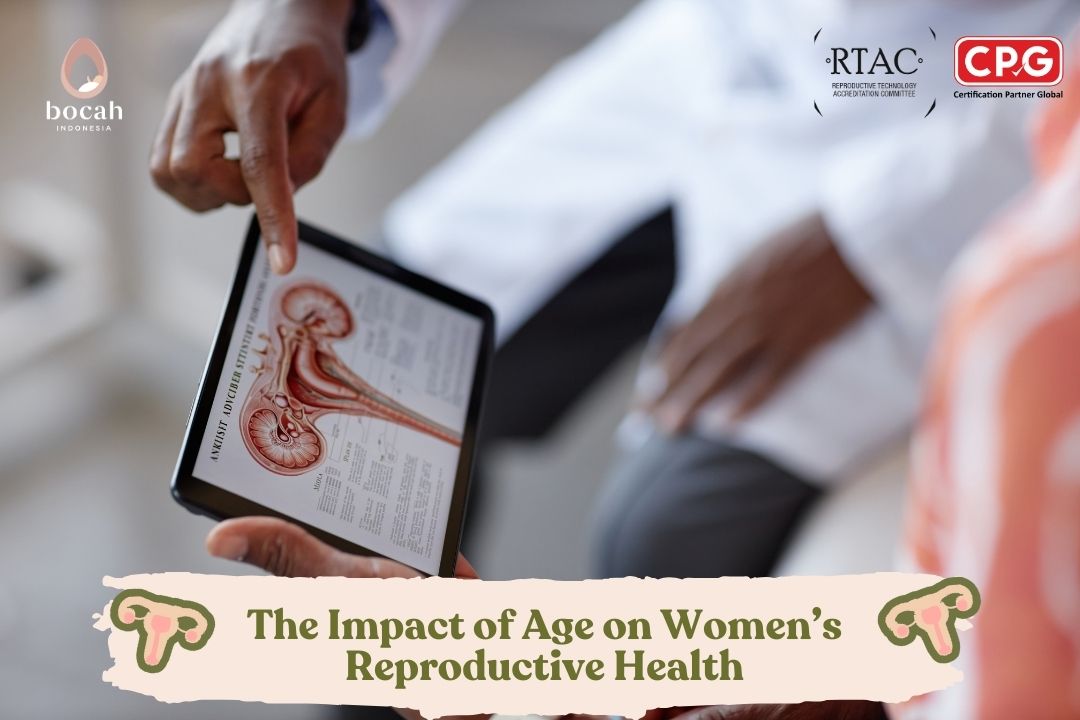
A woman’s fertility is influenced by age. As long as the reproductive organs are healthy and free from medical problems, age may not have an immediate effect. However, the number and quality of eggs decline significantly over time.
Mothers who are planning a pregnancy are advised not to delay. As age increases, a woman’s fertility naturally decreases. Generally, a woman releases a mature egg each month to be fertilized by sperm. If fertilization does not occur, the egg is shed along with the uterine lining in a process known as menstruation.
Does Age Affect Uterine Health?
As women grow older, fertility declines naturally due to a reduced number of eggs produced as a result of reproductive system aging. Genetic and environmental factors also play a role in ovarian aging.
Although pregnancy is still possible, there are increased health risks and potential complications when conception occurs at an older age. The younger a woman is, the higher the likelihood of a successful pregnancy.
Women in their 20s are considered to be at an optimal age for pregnancy, as both the quantity and quality of eggs are generally in good condition. As long as the reproductive organs remain healthy, the chances of conception are high.
Mulai HER Hope
When women enter their 30s, this stage of life is often considered ideal for having children due to greater mental and financial readiness. However, fertility begins to decline significantly during this period. The likelihood of pregnancy decreases further when women reach the age of 35.
In addition, pregnancy-related risks such as miscarriage increase during the 30s. Therefore, women who become pregnant after the age of 30 are advised to undergo regular prenatal check-ups with a physician.
By the time women reach their 40s, the ability to conceive declines even further. This occurs because both the quantity and quality of eggs have decreased significantly compared to earlier ages.
Several studies have also reported that babies born to mothers over the age of 40 have a higher risk of genetic conditions, such as Down syndrome.
In conclusion, age affects fertility because the number and quality of a woman’s eggs decrease over time. However, age does not significantly affect the uterus or other reproductive organs, provided there are no underlying medical conditions.