Artificial insemination is a type of Assisted Reproductive Technology (ART) chosen as a pregnancy program option for married couples facing infertility disorders.
For Parents-to-be who are currently planning a pregnancy program, you may already be familiar with the insemination program. However, it is not uncommon for many to still be unfamiliar with this procedure.
Insemination is a form of assisted reproductive technology and a fertility treatment option for couples experiencing fertility issues or infertility. Usually, insemination becomes an option when a couple has not succeeded with natural conception. But, do you know the history of insemination?
Getting to Know the Insemination Pregnancy Program
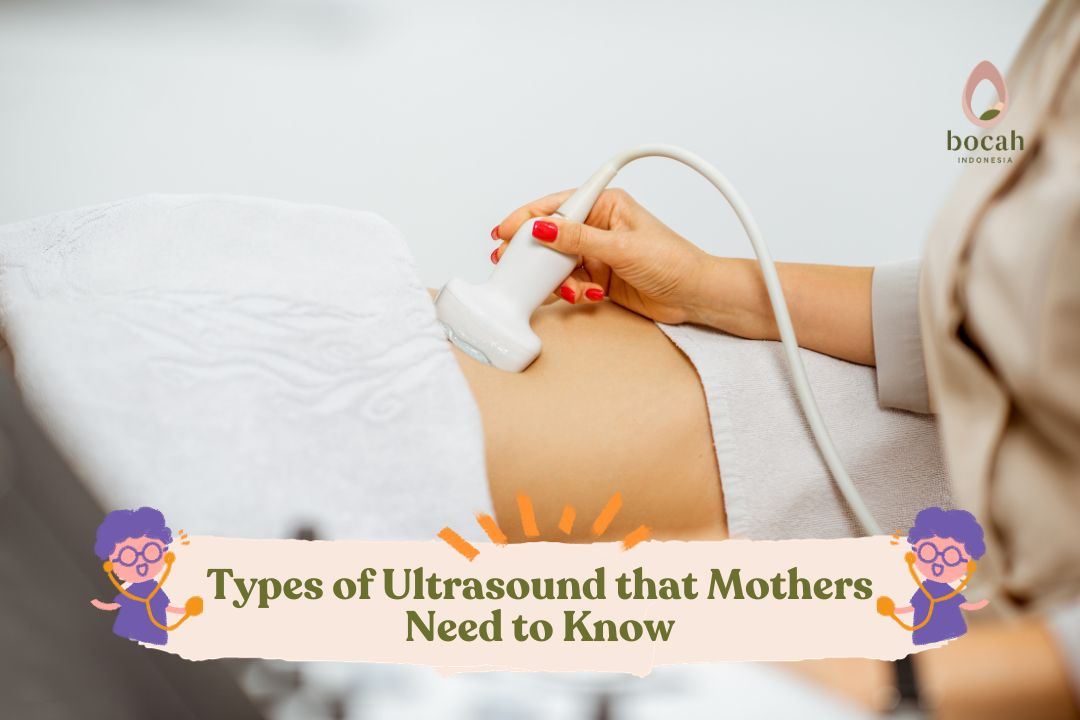
Artificial insemination is a fertilization process in which the Father’s sperm, which has been previously collected, is introduced into the Mother’s uterus to facilitate fertilization.
According to dr. William T. Wahono, Sp.OG, an Obstetrics and Gynecology Specialist at Bocah Indonesia, the philosophy behind the insemination program is to shorten the distance between the sperm and the egg.
Mulai HER Hope
“We inject the sperm into the uterine cavity (endometrium) so that the distance is closer for the sperm to meet and fertilize the egg,” said dr. William.
Several requirements must be met by both the husband and wife to undergo an insemination program. According to dr. William, the requirements for the woman are that the fallopian tubes must not be blocked (patent), the egg count must be sufficient, and the condition of the uterus must be free of issues.
“One of the important requirements for the woman is that the egg ducts or fallopian tubes are patent, meaning they are not blocked. Then, naturally, we want a sufficient number of eggs. Wherein, when we stimulate these eggs, they can grow and develop well. Additionally, the uterus must still be in good condition with no issues,” stated dr. William.
Meanwhile, from the male side, the requirement that must be met is a sufficient concentration of sperm that moves well, which is a minimum of 10 million, and not too low.
“As for the male side, the sperm must meet certain criteria. We must calculate the Total Motile Sperm Concentration (TMSC)—the total concentration of motile sperm or sperm that can move effectively. Now, there is a limit for that. It cannot be too low; if it is above 10 million, we can still perform insemination,” he added.
The History of Insemination
Intrauterine Insemination (IUI) has a long history. Insemination procedures were first performed on animals before finally being performed on humans. Initially, insemination was carried out on animals as early as the 14th century, where Arabs used it to breed stallions.
Later, Lazzaro Spallanzani, a priest, physiologist, and scientist from Italy, was the first to use the insemination technique on dogs in late 1784.
In 1793, John Hunter became the first person to report a successful insemination technique on humans. Initially, Hunter collected semen from a husband suffering from hypospadias (a condition where a man cannot ejaculate sperm properly) by making an incision in the man’s testis.
Hunter then performed the insemination method by introducing the husband’s semen into the wife’s cervix, and she successfully became pregnant.
Subsequently, in 1866, James Marion Sims attempted insemination methods in the United States on six women. However, the success rate was low because James did not fully understand the female menstrual cycle.
Meanwhile, based on history written in the journal Facts, Views, and Vision in Obgyn, the history of insemination has existed since 1425. It is stated that the first artificial insemination was performed by the wife of Henry IV (1425-1474), the King of Castile who was nicknamed “The Impotent”.
In 1455, he married Princess Juana, the sister of Afonso V of Portugal. After six years of marriage, Princess Juana was finally blessed with a child named Joanna.
Many historians and contemporary chroniclers assume that King Henry suffered from impotence. Therefore, it is possible that the first artificial insemination was launched during that era.
As time goes by, technology has become increasingly sophisticated, including the development of assisted reproductive programs like insemination. Today, insemination programs are widely chosen by married couples experiencing fertility disorders who find it difficult to conceive naturally.
Are Mom and Dad interested in planning an insemination pregnancy program? Come get checked at Bocah Indonesia immediately! There will be special insemination promos for you.