When undergoing a pregnancy program or trying to conceive (TTC), maintaining a healthy lifestyle is one of the key factors in increasing the chances of pregnancy.
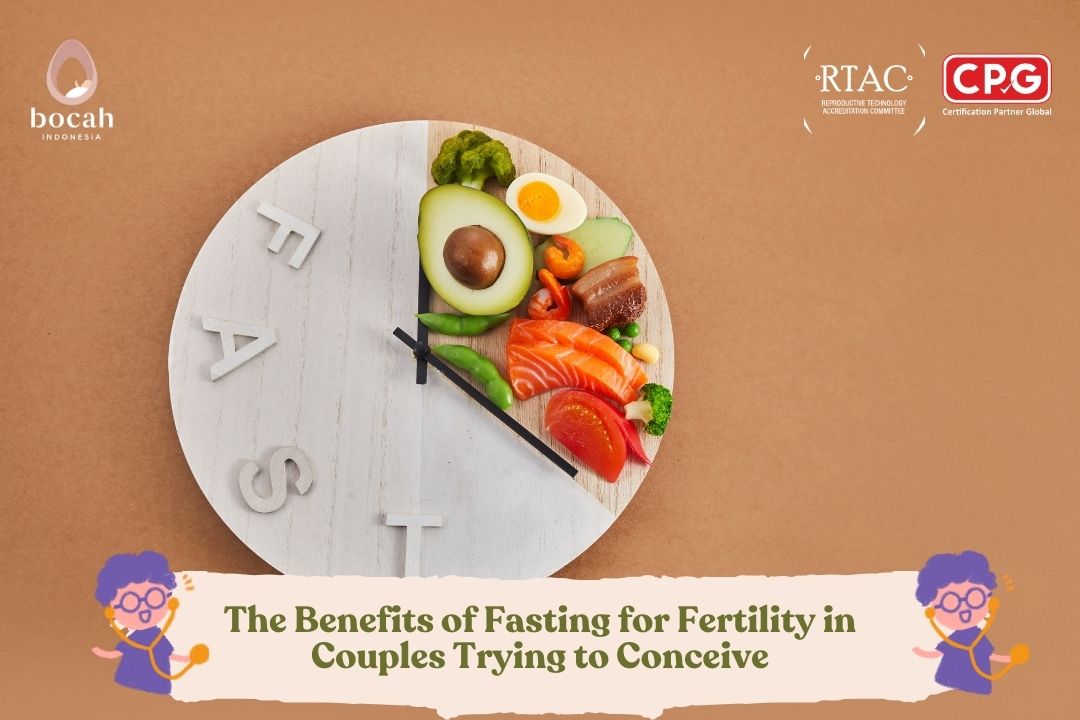
Fasting is generally safe for couples who are trying to conceive. In fact, several studies suggest that fasting may help maintain hormonal balance, support healthy body weight, and improve the quality of egg cells and sperm, all of which play important roles in fertility.
In addition to maintaining a healthy diet, exercising regularly, and managing stress, many couples also wonder whether fasting can affect fertility. Some even worry that fasting may reduce their chances of getting pregnant.
However, when practiced with proper nutrition and a healthy lifestyle, fasting can actually provide various health benefits, including benefits for the reproductive system. Learn more about it in this article.
Research on Fasting and Fertility
Several studies suggest that fasting may help maintain hormonal balance, regulate body weight, and support the quality of reproductive cells, which play an important role in the success of a pregnancy program.
Mulai HER Hope
A study published in the journal Nutrients (2022)found that fasting patterns may help improve hyperandrogenismin women with Polycystic Ovary Syndrome (PCOS), a condition characterized by excess androgen hormones that often contributes to infertility.
In addition, research published in Fertility and Sterility (2023)showed that dietary patterns similar to fasting, such as intermittent fasting, may help improve sperm quality in men, including sperm motility and viability.
In other words, when practiced appropriately, fasting is not only safe for couples trying to conceive but may also provide several benefits for reproductive health. Below are some benefits of fasting that may help support fertility for both partners during a pregnancy program.
Benefits of Fasting for Fertility
1. Helps Maintain Hormonal Balance
Hormonal balance plays a crucial role in fertility, especially for women undergoing a pregnancy program. Fasting may help the body improve insulin sensitivityand regulate metabolism more efficiently.
A more stable metabolic condition may help maintain regular menstrual cycles and support the ovulation process. This is important because regular ovulation increases the likelihood of fertilization.
2. Helps Maintain an Ideal Body Weight
Excess body weight can affect reproductive hormone balance and increase the risk of ovulatory disorders. This condition may also increase the risk of infertility in women.
By practicing fasting combined with healthy eating during suhoor (pre-dawn meal)and iftar (meal to break the fast), body weight can be better controlled. Maintaining an ideal body weight can help the reproductive system function more optimally during a pregnancy program.
3. Supports the Health of Egg Cells and Sperm
Fasting is known to trigger a natural biological process called autophagy, which is the body’s mechanism for removing damaged cells and replacing them with healthier ones.
This process plays an important role in maintaining the quality of body cells, including egg cells (oocytes)and sperm cells. Healthy reproductive cells can increase the chances of a successful pregnancy program.
4. May Improve Sperm Quality
Several studies indicate that fasting-like dietary patterns, such as intermittent fasting, may help improve sperm quality in men.
These improvements include increased sperm motility (the ability of sperm to move), sperm viability (the ability of sperm to survive), and a healthier sperm environment. These factors are essential in the fertilization process and may help reduce the risk of male infertility.
5. Helps Reduce Inflammation in the Body
Chronic inflammation in the body can negatively affect the reproductive system. Fasting has been shown to help reduce oxidative stressand inflammation that may disrupt hormonal balance.
With improved overall health, the chances of success in a pregnancy program may also increase.
Tips for Healthy Fasting While Trying to Conceive
To ensure the benefits of fasting remain optimal and fertility is maintained during a pregnancy program, couples can follow these tips:
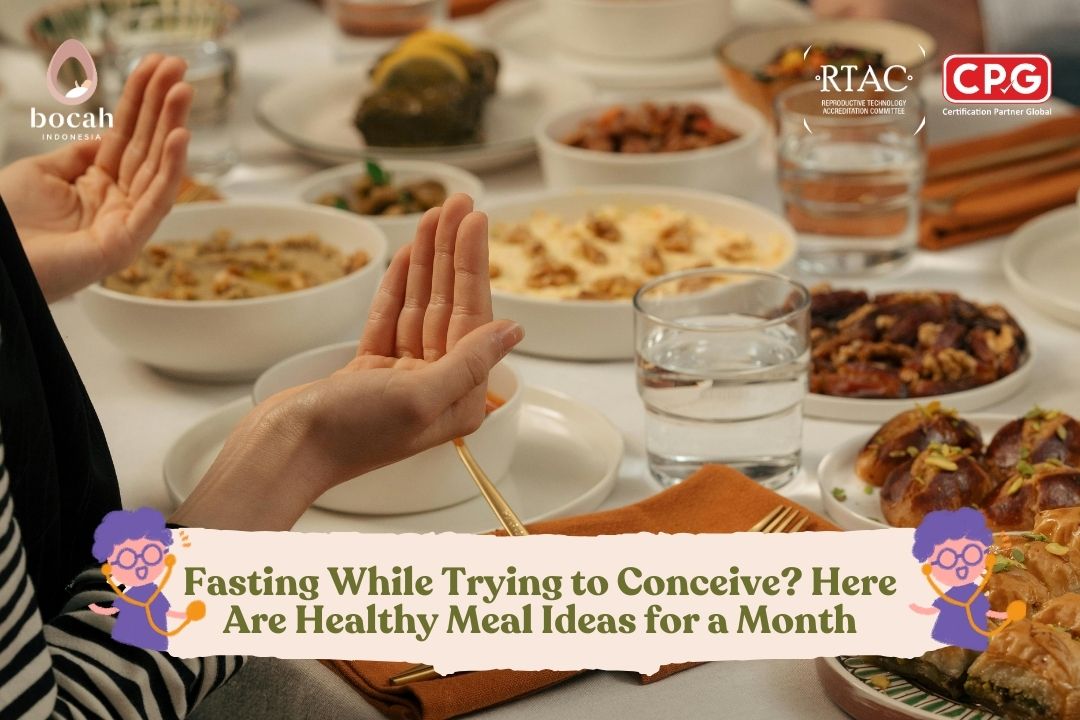
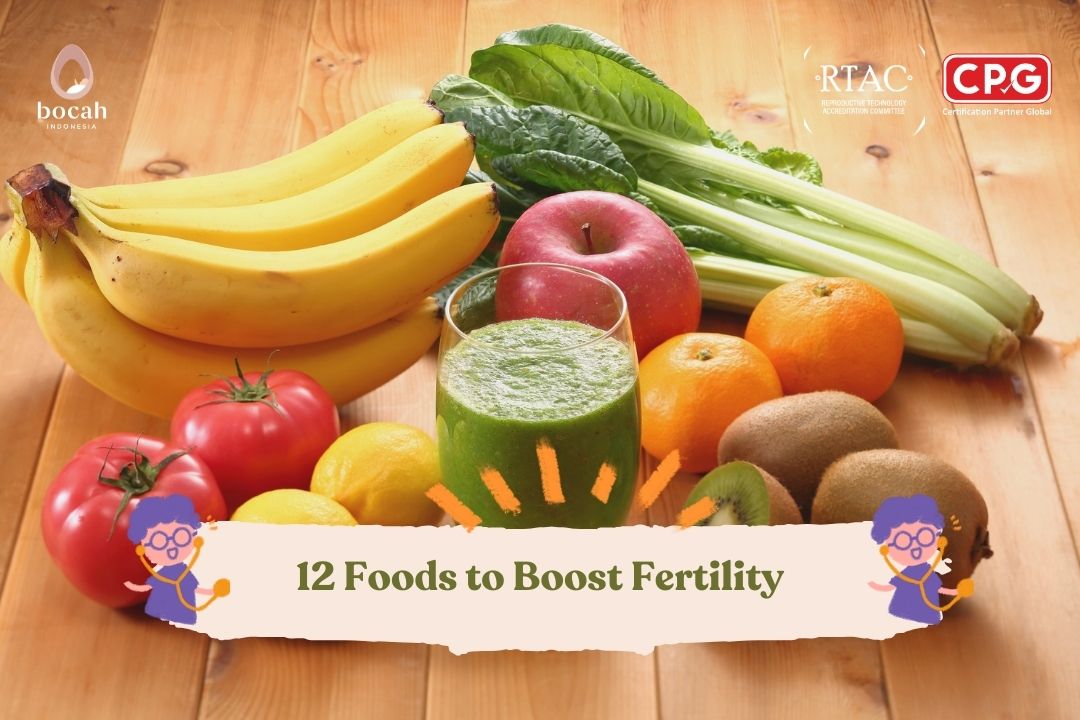
Consume balanced, nutritious meals during suhoor and iftar, including vegetables, fruits, protein, and healthy fats.
Ensure adequate fluid intake between iftar and suhoor.
Avoid excessive sugar consumption and fried foods when breaking the fast.
Continue light physical activities such as walking or yoga.
Get enough rest to maintain overall health and energy levels.
If you have certain medical conditions or a history of infertility, it is advisable to consult a doctor before fasting while trying to conceive.
In conclusion, fasting does not need to be a concern for couples undergoing a pregnancy program. As long as nutritional needs are met during suhoor and iftar, fasting may actually provide benefits for overall health and the reproductive system.
If you would like to learn more about trying to conceive, fertility programs, and infertility treatment, you can explore various reproductive health resources through the Bocah Indonesiawebsite.
Accurate information can help couples navigate their journey toward parenthood with greater confidence and preparation.