For mothers currently trying to conceive (TTC) or undergoing pregnancy planning, it is natural to seek various natural methods to increase the chances of pregnancy. However, caution is advised when consuming them.
One herbal ingredient frequently discussed is Rumput Fatimah (Kacip Fatimah). This plant is often believed to benefit women’s reproductive health. However, it is important to note that, to date, there are no clinical data confirming that Rumput Fatimah is directly beneficial for pregnancy planning.
On the contrary, several studies warn that the consumption of Rumput Fatimah requires extreme caution, especially for pregnant women.
Getting to Know Rumput Fatimah
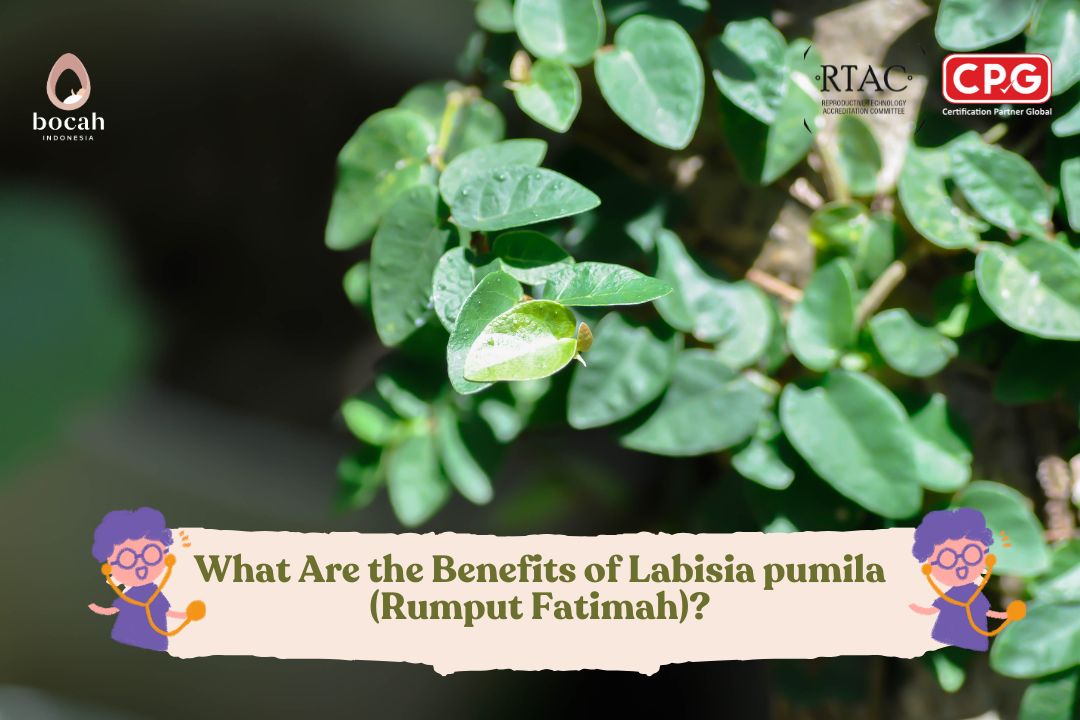
Rumput Fatimah, or scientifically known as Labisia pumila, is a herbaceous plant widely used as traditional medicine in several Southeast Asian countries, such as Indonesia and Malaysia. In Malaysia, this plant is also known as Kacip Fatimah.
Various studies indicate that Rumput Fatimah contains:
Mulai HER Hope
Phytoestrogens: Compounds that mimic the hormone estrogen.
Anti-inflammatory properties.
Antioxidants.
These constituents are why Rumput Fatimah is frequently associated with female reproductive organ health.
Traditional Uses of Rumput Fatimah
Generations of women have used Rumput Fatimah to:
Increase libido.
Alleviate postmenopausal symptoms.
Reduce pain during menstruation (dysmenorrhea).
Restore the vitality of reproductive organs postpartum (after childbirth).
Additionally, Rumput Fatimah has long been believed to facilitate the labor process. Some sources mention that this plant contains substances capable of triggering uterine contractions, leading to its traditional use nearing delivery.
A study from Universiti Teknologi Malaysia notes that Labisia pumila has potential benefits for female reproductive organs, partly due to its phytoestrogen content. However, these findings do not specifically prove its efficacy for pregnancy planning or increasing conception chances.
Is Rumput Fatimah Beneficial for Pregnancy Planning?
To date, there are no clinical trials stating that Rumput Fatimah is proven safe and effective for assisting pregnancy programs. Claims that this plant can improve fertility remain traditional and theoretical, unsupported by clinical trials on humans.
In fact, due to its nature—which can influence hormones and trigger uterine contractions—Rumput Fatimah is contraindicated (not recommended) for mothers trying to conceive, especially if there is a possibility of an unrecognized pregnancy.
Side Effects and Dangers of Rumput Fatimah
Although often cited as beneficial, the consumption of Rumput Fatimah is reportedly associated with several risks, particularly if consumed without medical supervision.
1. Risk of Miscarriage (Spontaneous Abortion)
Water infusions of Rumput Fatimah are known to trigger contractions of the uterine muscles. This condition poses a risk of causing miscarriage, particularly if consumed during early pregnancy or the first trimester.
2. Potential Hepatotoxicity and Nephrotoxicity (Liver and Kidney Damage)
Research published in the Journal of Sustainability Science and Management (2006) showed that water infusions of Rumput Fatimah could cause inflammation in the liver and kidneys of test animals. This effect is suspected to stem from active compounds that are toxic.
3. Risk of Toxicity (Poisoning)
Another study in the journal Frontiers in Pharmacology (2014) stated that water infusions of Rumput Fatimah may produce methanol, a toxic substance dangerous to humans. Methanol poisoning can cause nausea, vomiting, headache, visual impairment, seizures, neurological damage, and even death.
4. Drug Interactions
Mothers undergoing pregnancy planning or who are currently pregnant usually consume vitamins, supplements, or doctor-prescribed medications. To date, the interactions between Rumput Fatimah and these pharmacological agents are not fully understood, creating the potential for adverse effects.
Why Caution is Needed with Herbal Medicines
Most herbal medicines on the market are still classified as Jamu or Standardized Herbal Medicines. These types generally:
Have not undergone clinical trials on humans.
Do not yet have a definitive safe dosage.
Have side effects and drug interactions that are not fully known.
Standardization of herbal medicines aims to ensure safety, dosage, side effects, and interactions with other drugs. Unfortunately, many traditional herbal products are still formulated based on estimation, so their safety, especially for pregnant women, cannot be guaranteed.
Conclusion
Although Rumput Fatimah is widely known as a traditional remedy for women’s health, there is no scientific evidence stating that Rumput Fatimah is safe and effective for pregnancy planning. In fact, several studies indicate the presence of serious risks, particularly for pregnant women.
For mothers undergoing pregnancy planning, the best steps to improve the chances of pregnancy remain:
Maintaining a balanced, nutritious diet.
Managing stress.
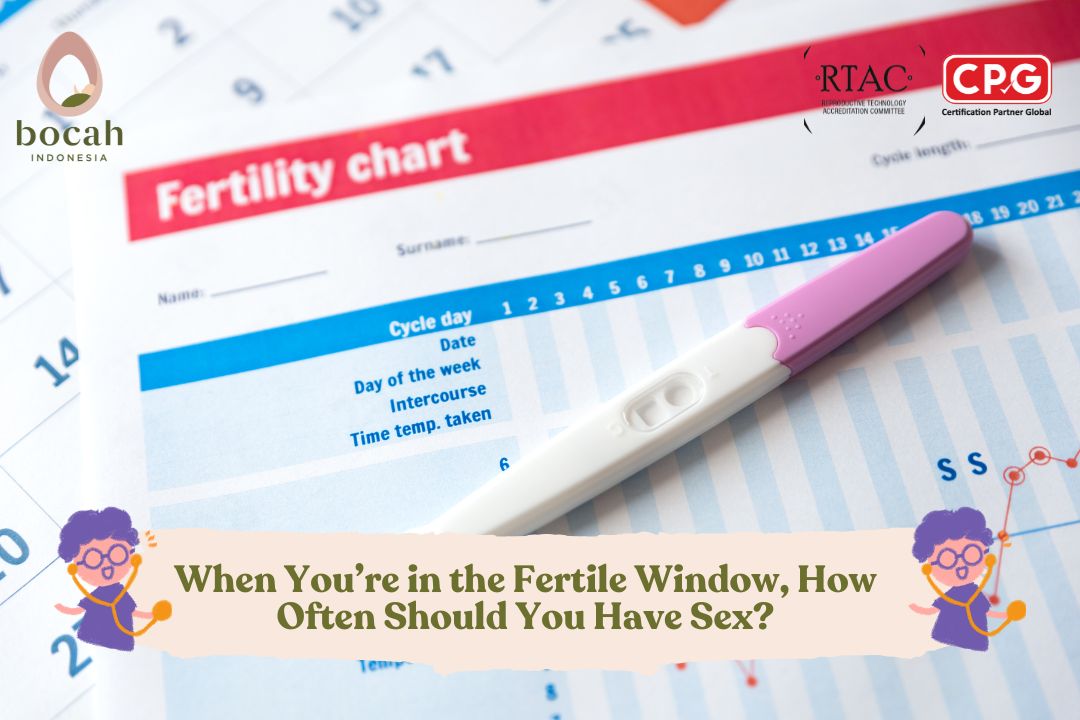
Monitoring the menstrual cycle and fertile window.
Consuming supplements as advised by a doctor.
Consulting with medical professionals before trying any herbs.
For Fathers and Mothers currently trying to conceive, accurate and safe information is vital. Please read other educational articles regarding pregnancy planning, fertility, and reproductive health at Bocah Indonesia as a trusted guide on your journey toward a healthy and planned pregnancy.