


How to Treat Infections of the Fallopian Tubes
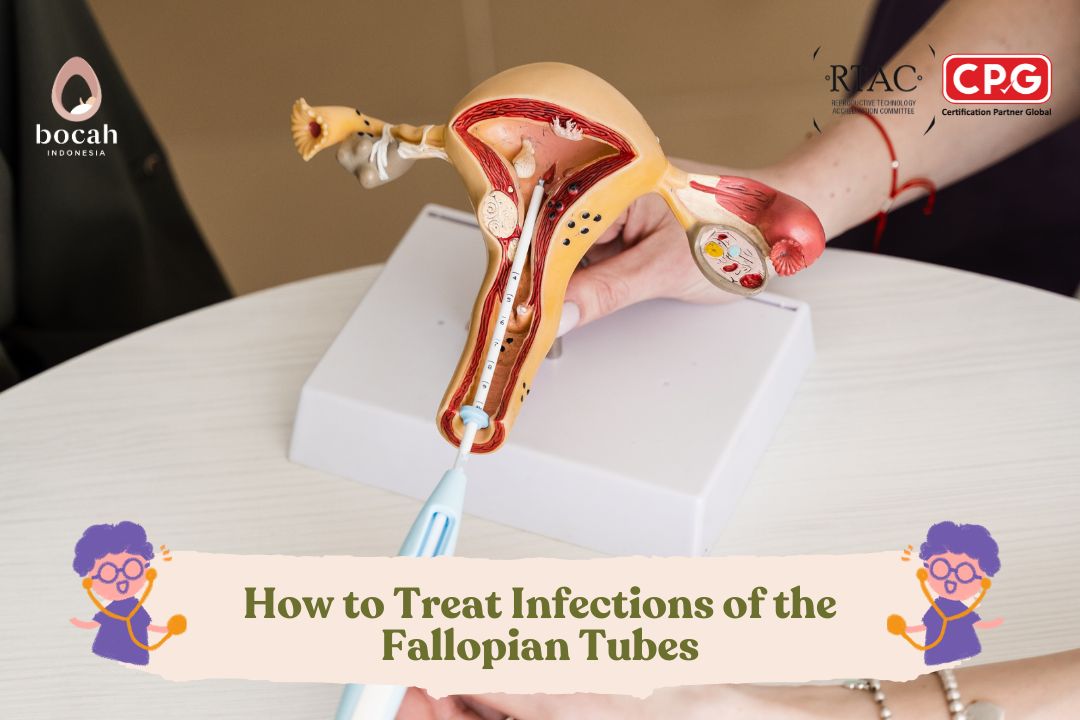
An infection of the fallopian tubes can cause inflammation that disrupts a woman’s fertility.
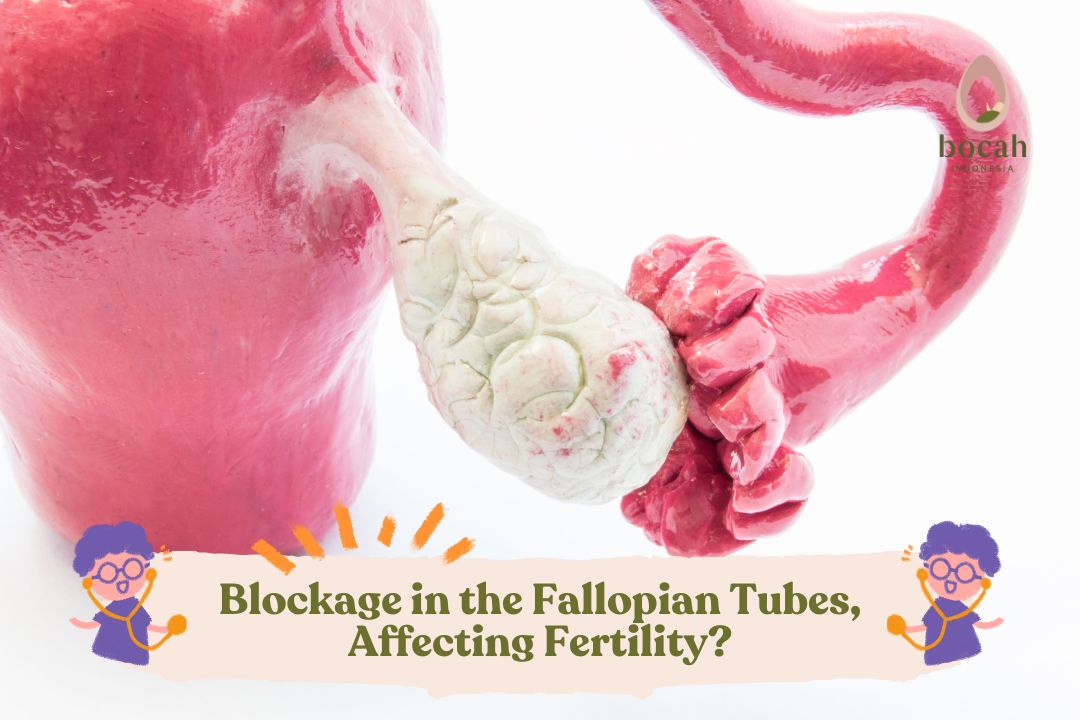
One of the common causes of female infertility is an infection in the fallopian tubes, a condition known as salpingitis.
Salpingitis is an inflammation of the fallopian tubes caused by bacterial infections, primarily Chlamydia trachomatis and Neisseria gonorrhoeae. This condition is a form of Pelvic Inflammatory Disease (PID) that spreads through sexual intercourse.
Salpingitis can result in infection within the fallopian tubes and may easily spread from one tube to the other. If not treated promptly, salpingitis can lead to long-term complications.
Symptoms of Salpingitis (Fallopian Tube Infection)
Individuals with salpingitis may experience several symptoms, including:
-
Fever
Mulai HER Hope
-
Nausea and vomiting
-
Pain in the lower abdomen
-
Painful menstruation
-
Abnormal vaginal bleeding
-
Foul-smelling vaginal discharge
-
Painful urination or defecation
-
Pain during sexual intercourse
Treatment Options for Fallopian Tube Infections
Treatment for fallopian tube infections depends on the severity of the condition. Physicians may provide:
-
Antibiotics to eliminate infection
-
Paracetamol or ibuprofen to reduce fever and abdominal pain
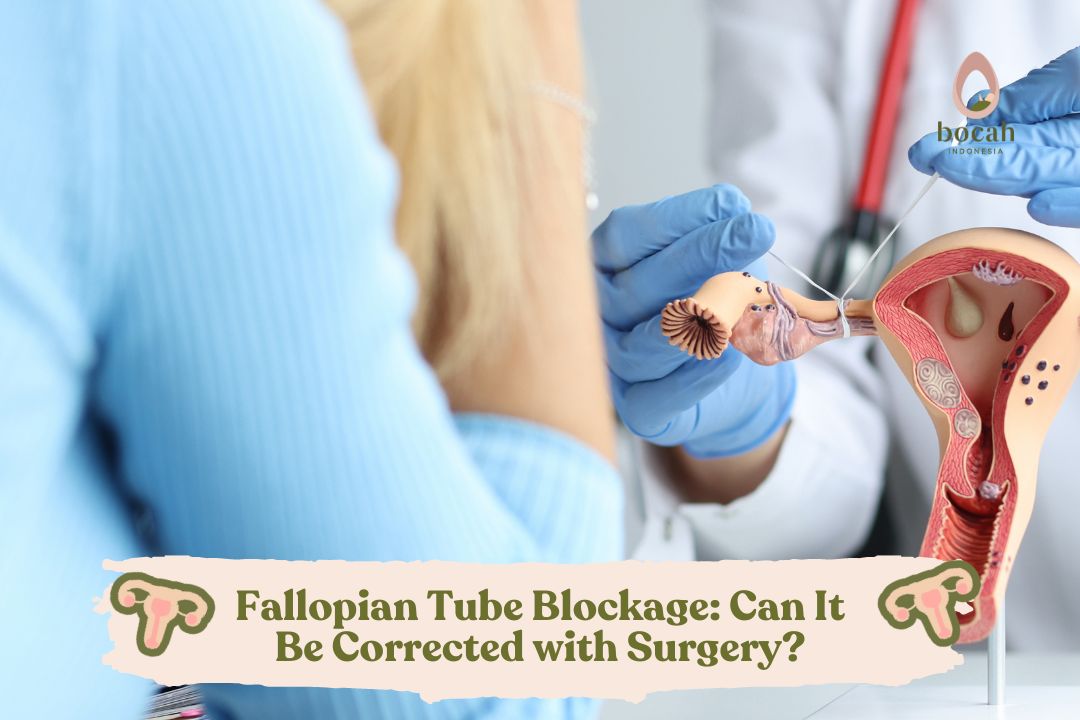
If salpingitis is accompanied by fluid accumulation or pus in the fallopian tubes, drainage may be required. When the fallopian tubes develop adhesion (scar tissue) due to infection, a surgical procedure may be necessary.
Women may require more intensive treatment if they experience:
-
Severe symptoms such as high fever, nausea, and vomiting
-
Abscess formation in the ovaries or fallopian tubes
-
Symptoms that do not improve with antibiotics
-
Inability to take oral medications
-
Pregnancy
Prevention of Fallopian Tube Infections
Pelvic Inflammatory Disease, a common cause of fallopian tube infection, often spreads through unprotected sexual activity. Therefore, using a condom during sexual intercourse is strongly recommended to reduce the risk.
Additional preventive steps include:
-
Avoid having multiple sexual partners
-
Avoid excessive use of feminine antiseptic soaps
-
Always use condoms when engaging in sexual activity with a new partner
When to See a Doctor
A fallopian tube infection is not a condition to be taken lightly. It can significantly reduce a woman’s chances of conceiving. If you are trying to get pregnant, it is important to consult a physician or a fertility clinic as early as possible to receive appropriate evaluation and treatment.
Source:
- Jennings, LK., et al. (2022). Pelvic Inflammatory Disease. NCBI Bookshelf.
- Ross, J., et al. (2018). 2017 European guideline for the management of pelvic inflammatory disease. Int J STD AIDS. 2018 Feb;29(2):108-114.
- Holmes, K., et al. (1980). Salpingitis: Overview of etiology and epidemiology. ACOG, Volume 138, Issue 7, P893-900, December 01, 1980.
- Owhor, LE., et al. (2019). Salpingitis Impairs Bovine Tubal Function and Sperm-Oviduct Interaction. Sci Rep. 2019; 9: 10893.