Fibroids and polyps are among the causes of infertility experienced by women. Below are the examinations that can be performed to identify these conditions.
Did you know, Moms, that fertility issues can be caused by fibroids and polyps? Fibroids and polyps are two different entities, yet both can occur in the reproductive organs. So, what do the examination and management of fibroids and polyps in women involve?
What Are Fibroids and Polyps?
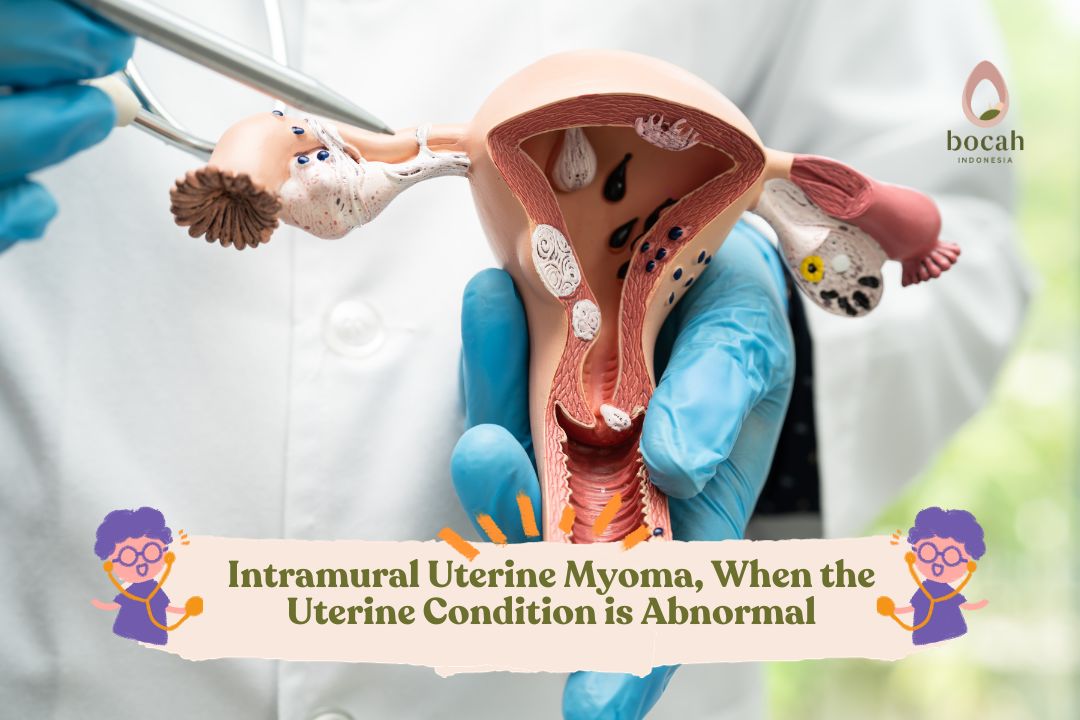
Fibroids, also known as uterine leiomyomas or myomas, are benign tumors that grow in the female reproductive organs, typically in the uterus. Although they are not malignant (cancerous), fibroids represent a significant health issue in the female reproductive system.
Uterine fibroids are the abnormal growth of uterine muscle cells. Their number and size vary. This condition often presents no significant symptoms, which is why it frequently goes unnoticed by women.
Meanwhile, polyps are abnormal tissue growths on the lining of the uterine wall (endometrium). Like fibroids, polyps are generally benign. However, in some cases, polyps have the potential to develop into malignancy.
Mulai Journey of Hope
Polyps can be round or oval in shape, with sizes varying from small to large. These growths have a stalk (peduncle), making them appear as if they are hanging from or growing broadly on the uterine wall. This condition is also a reproductive disorder commonly experienced by women.
Examinations to Detect Fibroids and Polyps
Given that uterine fibroids and polyps rarely cause specific symptoms and often go undetected, several examinations can be performed. However, the doctor will first ask a series of questions (anamnesis), such as symptoms experienced, medical history (personal and family), and history of medication use.
The doctor will also ask about menstrual-related matters, such as the cycle, duration of the period, and bleeding volume. Here are several examinations that can be performed to detect fibroids and polyps:
1. Transvaginal Ultrasound
Transvaginal Ultrasound is the initial examination performed to visualize abnormalities within the uterus, such as myomas and polyps. This examination is conducted by inserting an ultrasound probe through the vagina to visualize the reproductive organs by emitting sound waves, which then appear as visual images on a monitor screen.
2. Hysteroscopy
The detection of polyps and fibroids can also be performed via hysteroscopy. This procedure involves inserting a tool called a hysteroscope through the vagina into the uterus.
Hysteroscopic examination is used to locate myomas protruding into the uterine cavity and to detect the presence of polyps in the uterus.
3. Biopsy
A biopsy procedure will be performed by the doctor to confirm whether the growing tissue has the potential to develop into cancer or not. This procedure involves taking a sample of the uterine wall tissue for laboratory analysis.
So, those are the examinations available to detect polyps or myomas in the uterus. If you experience unusual symptoms, consult a doctor immediately. Do not underestimate this condition; get checked to receive the appropriate treatment.