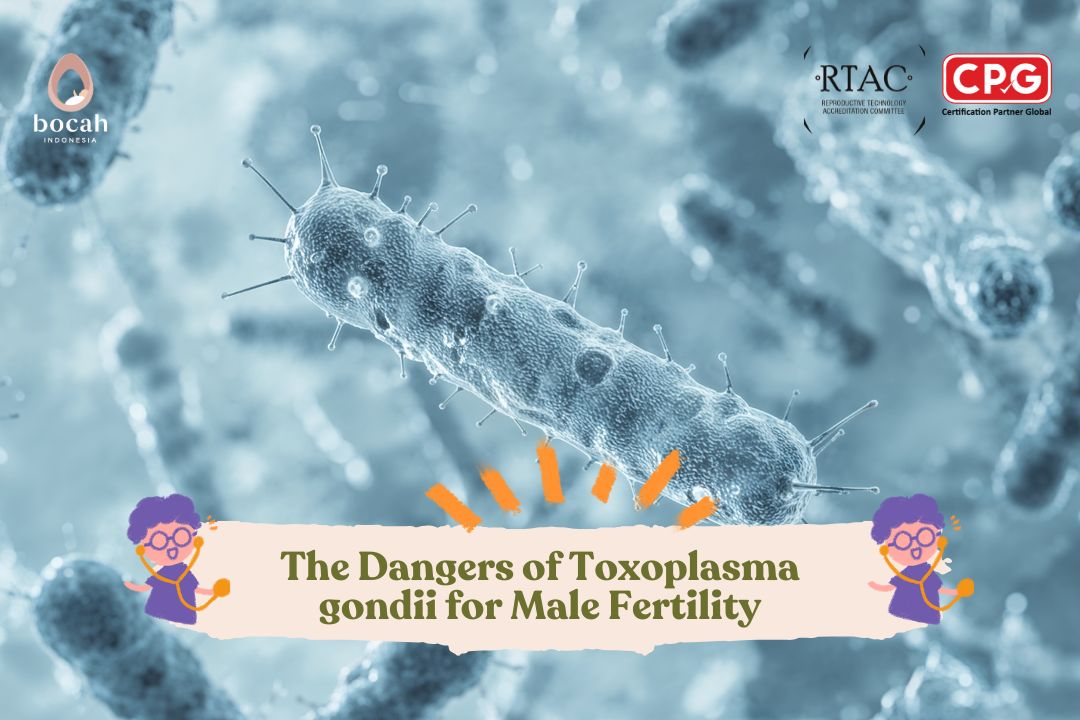
The parasite Toxoplasma gondii, commonly associated with cats, does not only pose risks to maternal reproductive health but may also affect male fertility. Learn more below.
Many couples may already be familiar with toxoplasmosis. Toxoplasmosis is an infection caused by the parasite Toxoplasma gondii, typically found in cat feces, undercooked meat, and contaminated food or water. According to the Centers for Disease Control and Prevention (CDC), millions of people worldwide may be infected without realizing it.
Although most infected individuals show no symptoms, an infection with Toxoplasma gondii (T. gondii) can lead to serious health issues, especially in people with weakened immune systems and pregnant women. Recently, experts have begun to highlight its potential impact on male reproductive health. So, is it true that this infection could make it harder for couples to conceive?
What Are the Symptoms of Toxoplasma gondii?
In many cases, individuals infected with Toxoplasma gondii do not experience any symptoms. However, when symptoms do appear, they usually last for a month or longer and tend to resolve on their own.
Common flu-like symptoms of toxoplasmosis include:
Mulai Journey of Hope
Fever
Muscle aches or myalgia
Sore throat
Headache
Swollen lymph nodes, especially in the neck
Toxoplasmosis can become severe in individuals with significantly weakened immune systems, such as:
People with HIV/AIDS
Patients undergoing chemotherapy
Organ transplant recipients
In these cases, the infection can cause serious complications affecting the eyes, brain, lungs, and other vital organs.
Pregnant women infected with toxoplasmosis may transmit the parasite to their fetus, a condition known as congenital toxoplasmosis. This can lead to serious outcomes such as miscarriage or stillbirth. Babies born with congenital toxoplasmosis may face long-term health problems.
Can Toxoplasma gondii Affect Male Fertility?
Toxoplasma gondii can infect anyone—men and women alike. Many infected individuals have no symptoms. But can this parasite interfere with male fertility?
A study from Iran published in the Iranian Journal of Parasitology (2015) examined 60 healthy men with strong immunity. About 25% had evidence of prior exposure to T. gondii. However, the study found no direct impact on sperm count, motility, morphology, or reproductive hormones such as testosterone and FSH.
Another study—a systematic review published in Acta Parasitologica (2025) summarizing findings from 24 studies—reported that while the evidence is not yet definitive, T. gondii may interfere with various aspects of male fertility. In animal models, the parasite was shown to decrease sperm quality and disrupt reproductive hormones.
Additionally, a more recent 2025 laboratory study found that the parasite can directly damage human sperm. When human sperm were exposed to the parasite for just 5 minutes, around 22% lost their heads, making them unable to fertilize an egg.
Based on these studies, Toxoplasma gondii may not always show a clear or immediate effect on male fertility, but it does have the potential to reduce sperm quality. Couples trying to conceive should take preventive steps to avoid infection.
Tips to Prevent Toxoplasma gondii Infection
Cook meat thoroughly
Cook red meat and poultry until fully done. Avoid rare or undercooked meats, such as rare steak or raw products like salami.
Wash fruits and vegetables thoroughly
Wash all fruits and vegetables, especially those eaten raw, to remove soil-borne contamination.
Practice good hand hygiene
Always wash your hands after:
Handling raw meat
Gardening or touching soil
Cleaning up after pets, especially cats
Wash with soap and running water regularly, especially after outdoor activities or animal contact.
Avoid direct contact with cat feces
If you have a cat:
Clean the litter box using gloves and wash your hands afterward
Use gloves when gardening or cleaning
Prevent your cat from hunting or eating raw meat
Drink clean, safe water
Consume boiled or bottled water. Avoid drinking from unknown or potentially contaminated sources.
Use separate kitchen equipment
Keep cutting boards and knives for raw meat separate from other foods to prevent cross-contamination.
Schedule routine health checks
Consider TORCH testing (including Toxoplasma) before or during your conception program to detect infections early.
When Should You See a Doctor?
Seek medical consultation if you or your partner experience:
Symptoms of toxoplasmosis
Symptoms such as fever, muscle pain, sore throat, headache, or swollen lymph nodes lasting longer than a week.
Difficulty conceiving
If you have been trying to conceive for:
1 year without success (for women under 35)
6 months if the woman is over 35
Especially if the male partner has a history of toxoplasmosis or reproductive issues.
History of reproductive disorders
Such as varicocele, reproductive tract infections, or persistent sperm-related problems.
Reproductive discomfort
Such as testicular pain, swelling, or long-standing sexual dysfunction.
Doctors may perform blood tests to detect toxoplasma infection, semen analysis, and other evaluations to guide proper treatment.
Maintaining reproductive health and early medical evaluation can help ensure that your conception journey runs smoothly.