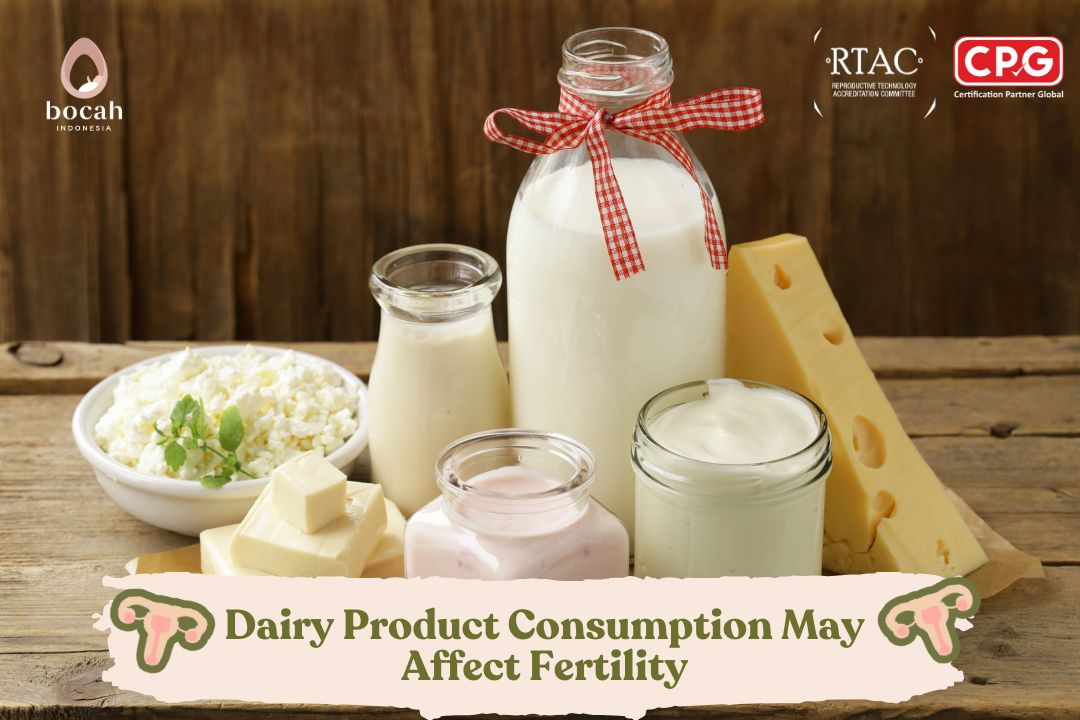
Delicious and rich in nutrients, dairy products are favorites for many people. But is it true that they are linked to fertility? Let’s find out here!
You may often hear advice to regulate your diet while trying to conceive. But what about dairy products? Can milk, yogurt, or cheese really affect your fertility?
Several studies suggest that different types of dairy products—both low-fat and full-fat—may have varying effects on fertility. Before you get confused about which option is best, let’s take a closer look at the facts and myths surrounding dairy consumption and fertility in this article.
Do Dairy Products Affect Fertility?
Infertility, or difficulty conceiving, is a common condition and can be both physically and emotionally burdensome. According to the American Urological Association, approximately 12–15 out of every 100 couples are unable to conceive despite having regular unprotected intercourse for one year. Even after two years of trying, about 10 couples still do not achieve pregnancy.
These challenges can be caused by various factors, and it is not always clear why some women have more difficulty conceiving than others.
Mulai HER Hope
One well-known study is a prospective study conducted by Chavarro and colleagues, published in the journal Human Reproduction in 2007. This study examined the relationship between dairy consumption and the risk of infertility, particularly ovulatory infertility (anovulation-related infertility).
Ovulatory infertility is a type of infertility that occurs when normal ovulation does not take place—that is, when the ovary does not regularly release an egg. This is one of the most common causes of difficulty conceiving in women.
The study found that women who consumed more than two servings of low-fat dairy products per day had a higher risk of infertility compared with women who consumed little to no low-fat dairy products.
In contrast, consumption of full-fat dairy products was associated with a reduced risk of infertility. However, it is important to note that this finding was not statistically strong, meaning that full-fat dairy cannot be definitively concluded to improve fertility.
Before making drastic dietary changes, it is essential to understand that:
This was a prospective observational study, not a randomized controlled trial (RCT), and therefore cannot establish a direct cause-and-effect relationship.
Dietary data were collected through self-reported questionnaires, administered only twice over an eight-year period.
The low-fat dairy products assessed included a wide range of items, such as milk, yogurt, ice cream, and cheese.
The study did not include women with diabetes, and participants were not actively undergoing a fertility treatment program.
These findings represent an association, not causal evidence. Therefore, it cannot be concluded that consuming dairy products causes infertility.
What About Other Studies?
A study from the EARTH Study team, also published in Human Reproduction in 2016, reported different findings. This study involved more than 200 women undergoing in vitro fertilization (IVF) and accounted for factors such as age, dietary patterns, smoking status, body mass index (BMI), race, and prior infertility diagnoses.
The results showed that overall dairy consumption, including both low-fat and full-fat dairy products (such as cheese and yogurt), was associated with higher live birth rates.
This suggests that women who consumed dairy products tended to have better IVF success rates. Interestingly, no significant difference was found between low-fat and full-fat dairy intake.
Although early studies raised concerns that low-fat dairy might negatively affect fertility, other research suggests potential benefits of dairy consumption in general. Even large-scale scientific reviews (meta-analyses) continue to show mixed and inconsistent results.
Further research is still needed to fully understand the relationship between dairy products and female fertility.
What Foods Should Be Avoided When Trying to Conceive?
Certain foods are known to affect fertility and may even pose risks to a developing fetus if consumed excessively. Therefore, it is important for women to be aware of which foods should be avoided during preconception planning.
1. Foods High in Sugar and Refined Carbohydrates
Foods such as pastries, candies, sugary beverages, and white bread contain high levels of sugar and refined carbohydrates. Excessive consumption can cause insulin spikes that disrupt reproductive hormone balance and increase the risk of ovulatory disorders.
2. Fast Food
Fast foods, including French fries, fried chicken, and burgers, are typically high in saturated fats and trans fats. These types of fats are known to reduce ovulatory quality and negatively impact overall fertility.
3. Processed Meats
Processed meats such as sausages, ham, nuggets, and canned meats contain preservatives and additives that may interfere with hormonal balance. Regular consumption of processed meats has also been linked to reduced sperm quality in male partners.
4. Fish High in Mercury
Certain fish, such as king mackerel, shark, and yellowfin tuna, contain high levels of mercury. Excessive mercury exposure can be harmful to the developing fetal nervous system and may reduce fertility.
5. Unpasteurized Dairy Products
Raw milk or soft cheeses made from unpasteurized milk may contain bacteria such as Listeria, which can cause serious infections during pregnancy. Therefore, always choose dairy products that have undergone pasteurization or sterilization.
6. Excessive Caffeine Intake
While moderate caffeine consumption is generally considered safe, intake exceeding 200 mg per day may reduce the chances of conception and increase the risk of early miscarriage.
7. Alcohol
Alcohol consumption during preconception is strongly discouraged, as it can disrupt reproductive hormone balance and negatively affect egg and sperm quality. Alcohol intake may also increase the risk of birth defects if consumed before pregnancy is recognized.
8. Foods High in Trans Fats
Trans fats are commonly found in packaged foods, fast food, and solid margarine. These fats can impair insulin sensitivity and lead to hormonal disturbances that negatively affect fertility.
Maintaining a healthy diet is an essential first step in supporting a successful pregnancy. Women are encouraged to avoid foods that may interfere with reproductive health and replace them with balanced, nutrient-rich options.
If you are planning to conceive and want to optimize your chances of pregnancy, it is advisable to consult a doctor to evaluate your fertility status and receive appropriate guidance.