Maintaining uterine health is an important step for couples who are planning a pregnancy or currently undergoing a fertility program (trying to conceive / TTC). One simple way to support reproductive health is by consuming fertility-boosting foodsthat are rich in essential nutrients.
Nutrients such as folic acid, iron, protein, omega-3 fatty acids, and antioxidantsplay an important role in supporting hormonal balance, improving egg quality, and maintaining overall reproductive health.
By following a balanced and nutritious diet, couples may improve their chances of conception while preparing the body for a healthy pregnancy.
What Are Fertility-Boosting Foods?
Fertility-boosting foods are foods that contain essential nutrients that support reproductive health and help improve fertility.
Some important nutrients that support fertility include:
Mulai HER Hope
folic acid
iron
protein
omega-3 fatty acids
vitamin E
antioxidants
These nutrients help maintain hormonal balance, improve egg and sperm quality, and support healthy ovulation.
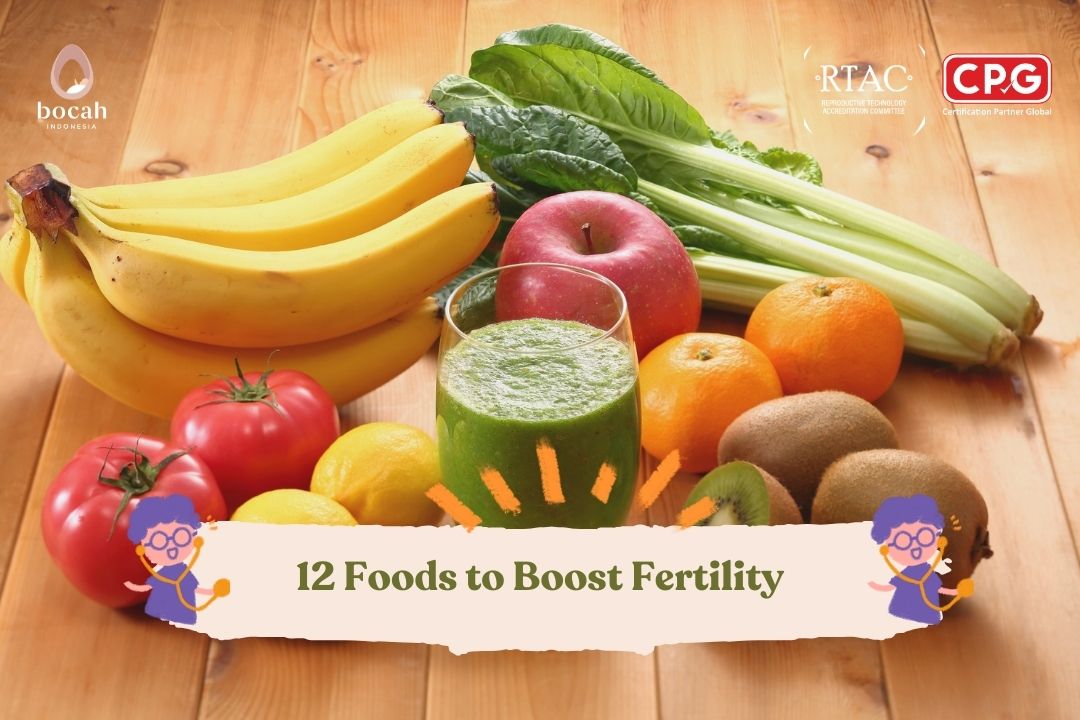
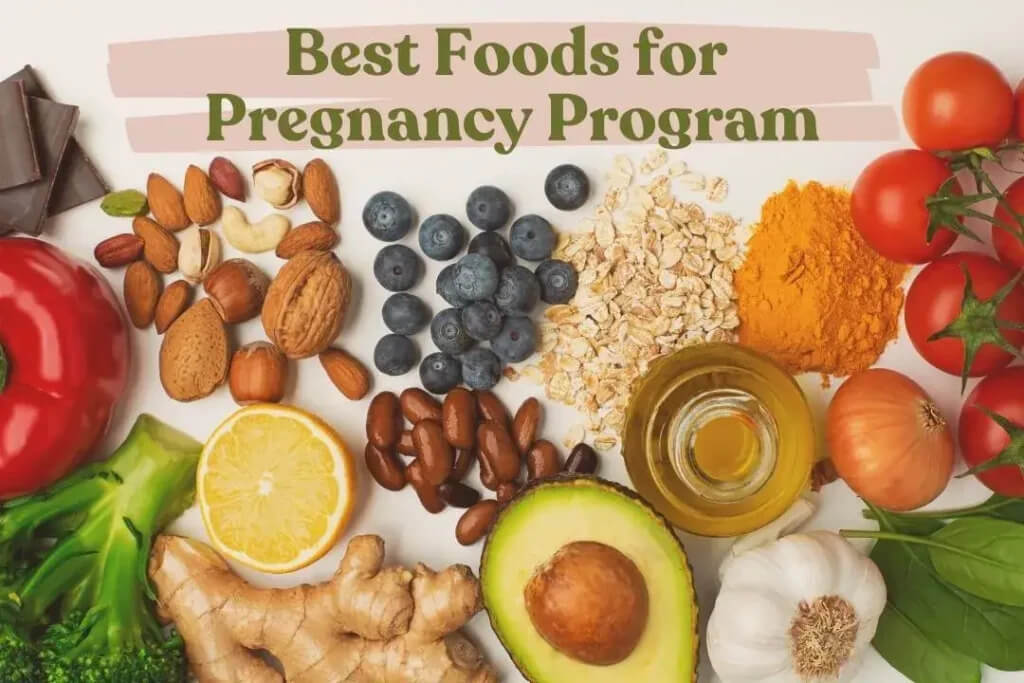
12 Fertility-Boosting Foods for Couples Trying to Conceive
Below are several foods that may help support fertility and reproductive health.
1. Fresh Dates
Fresh dates are often associated with fertility support due to their rich nutritional content. They contain antioxidants, vitamins, and minerals that help protect egg and sperm cells from oxidative stress.
2. Brown Rice
Brown rice is a source of complex carbohydrates that contains fiber and B vitamins. These nutrients help maintain stable blood sugar levels and support hormonal balance, which is important for healthy ovulation.
3. Green Leafy Vegetables
Green vegetables such as spinach, broccoli, kale, and cabbage are rich in folate, iron, and antioxidants.
Folate plays a crucial role in cell development and is especially important for women who are planning pregnancy.
4. Vitamin C–Rich Fruits
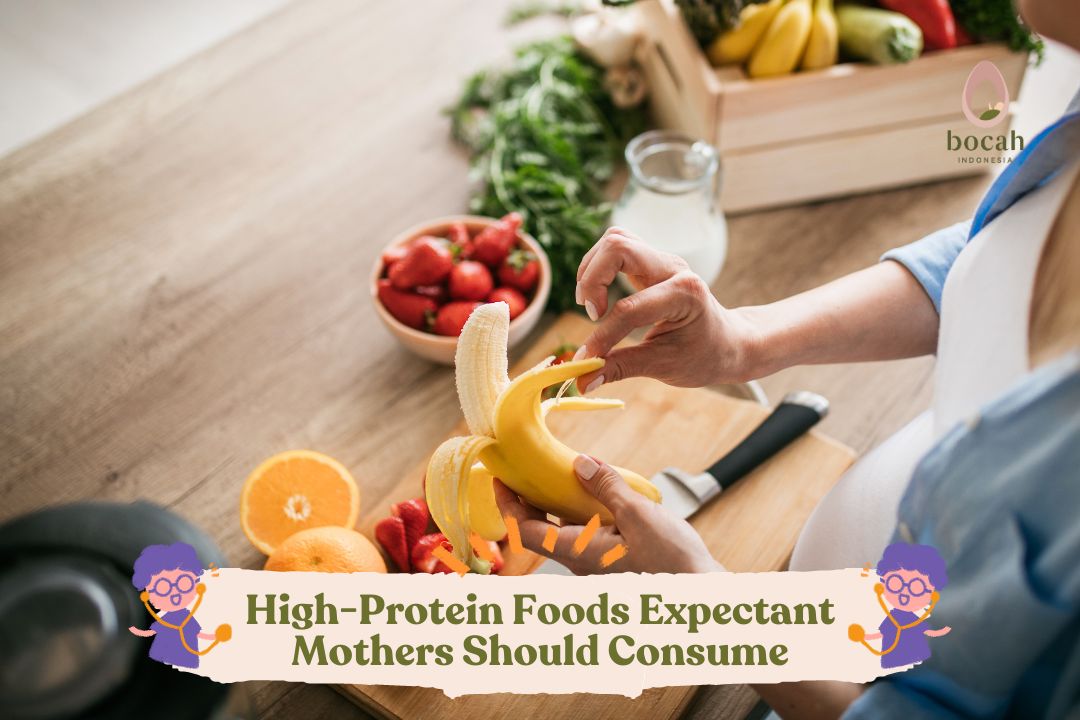
Fruits such as oranges, kiwi, strawberries, and mangoes contain high levels of vitamin C.
Vitamin C acts as an antioxidant that helps improve egg quality and supports reproductive health.
5. Avocado
Avocados contain healthy fats, vitamin K, and folate, which help maintain hormonal balance.
Healthy fats also support the body’s ability to absorb important nutrients needed during fertility preparation.
6. Honey
Honey contains amino acids, vitamins, minerals, and antioxidants that may help support ovarian and uterine health.
However, it should be consumed in moderation and preferably in its natural form without added sugars.
7. Fish
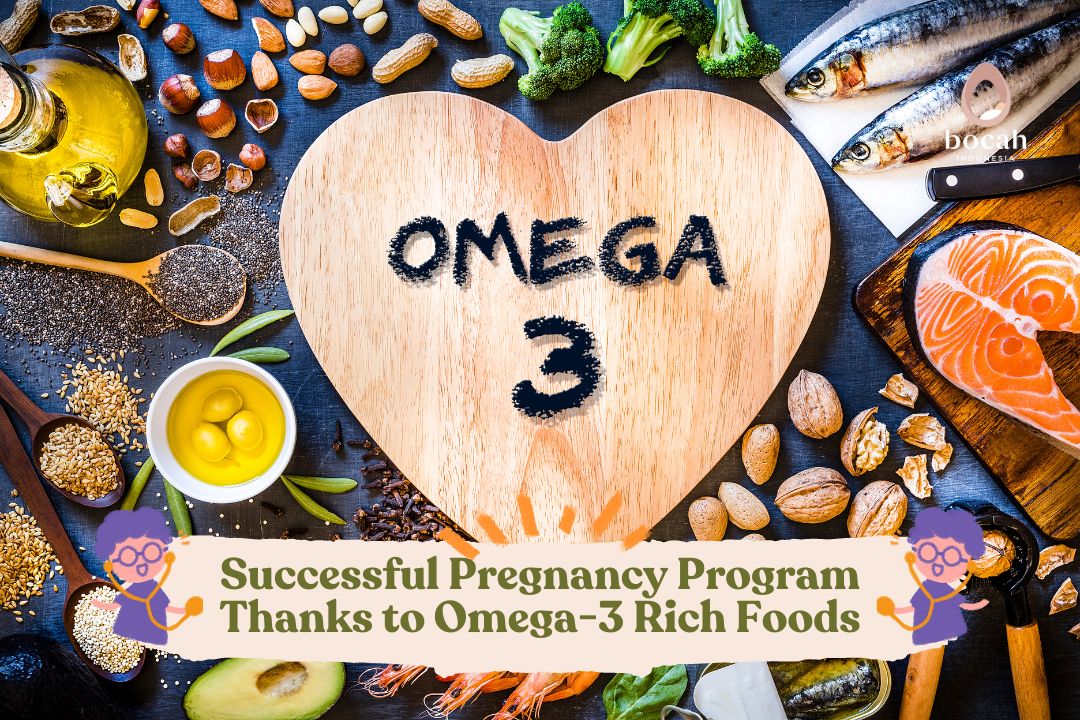
Fish such as sardines, catfish, and mackerel are excellent sources of protein and omega-3 fatty acids.
Omega-3 fatty acids may help improve egg quality, regulate hormones, and support early fetal development after fertilization.
8. Oysters
Oysters are rich in zinc, an essential mineral that supports ovulation in women and sperm production in men.
For this reason, oysters are often recommended for couples trying to conceive.
9. Sunflower Seeds
Sunflower seeds contain vitamin E, selenium, and omega-6 fatty acids, which help protect reproductive cells from oxidative damage.
10. Eggs
Eggs provide high-quality protein and choline, an important nutrient for early fetal development.
Amino acids in eggs may also help improve blood circulation to reproductive organs.
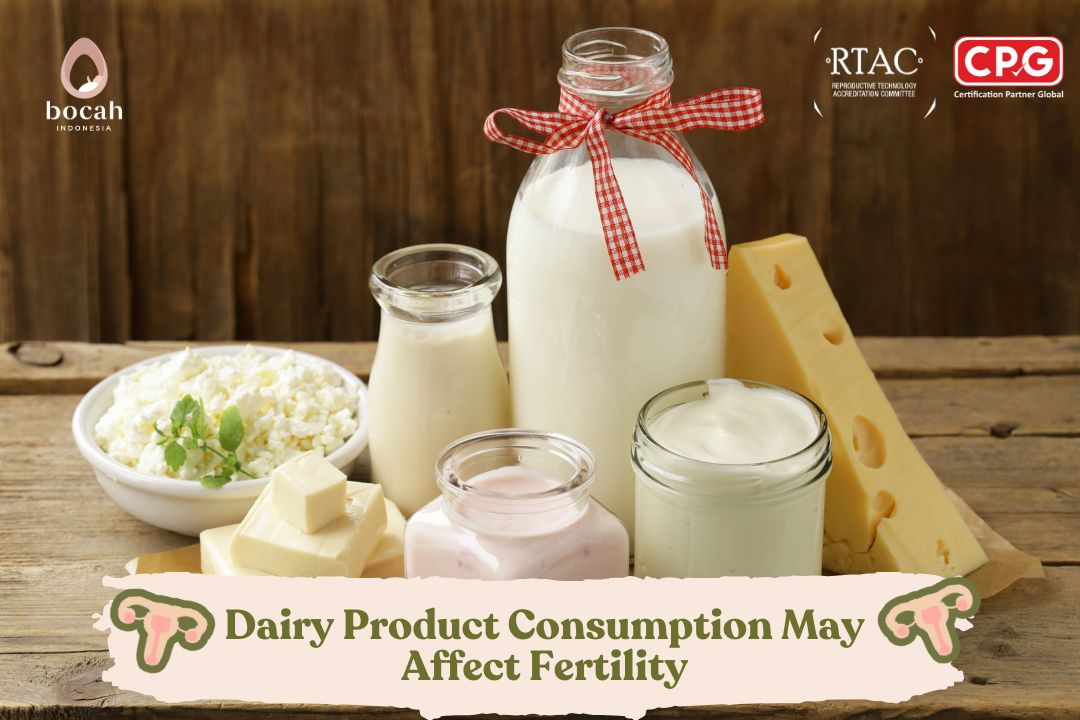
11. Milk and Dairy Products
Milk, yogurt, and cheese contain calcium, protein, and healthy fats that help maintain hormonal balance and support reproductive health.
12. Walnuts and Other Nuts
Walnuts, almonds, pistachios, and other nuts contain omega-3 fatty acids and magnesium, which support reproductive health and hormone production.
Important Nutrients for Fertility
Several nutrients are known to support fertility and reproductive health.
Folic Acid
Folic acid helps with cell formation and reduces the risk of neural tube defects during pregnancy.
Omega-3 Fatty Acids
Omega-3 fatty acids help regulate hormones and support egg quality.
Iron
Iron supports red blood cell production and helps maintain uterine health.
Antioxidants
Antioxidants protect egg and sperm cells from damage caused by free radicals.
Foods to Avoid When Trying to Conceive
In addition to consuming fertility-boosting foods, couples should also limit certain foods that may negatively affect fertility, such as:
foods high in saturated fats
processed or fast foods
excessive alcohol
excessive caffeine consumption
raw or undercooked foods
Reducing these foods can help maintain hormonal balance and reproductive health.
When Should You Consult a Doctor?
If a couple has been trying to conceive for some time without success, consulting a fertility specialist may be recommended.
A fertility evaluation can help identify reproductive health conditions and guide couples toward the most appropriate treatment options.