Parents-to-be, enhancing fertility at age 45 is still possible with medical assistance such as IUI and IVF. As women enter their mid-40s, many begin reconsidering their desire to have children. This age is often viewed as the end of the natural reproductive period, but many women remain optimistic and seek ways to increase their chances of conceiving.
With advancements in reproductive technology, the possibility of getting pregnant at a more mature age is now more attainable. However, factors such as declining egg quality, hormonal changes, and certain health conditions still need to be taken into consideration.
So, is it still possible to become pregnant at 45? And what are the best ways to conceive at a mature age? Parents-to-be can explore the complete explanation below.
Is Pregnancy at Age 45 Still Possible?
Naturally, the chances of getting pregnant at 45 are very small—only around 3–4%. Because of this, most women at this age require reproductive technologies to improve their chances of success.
IUI (Intrauterine Insemination) has a success rate of about 5% for women over 40.
Mulai HER Hope
IVF (In Vitro Fertilization) offers better odds—around 15% per cycle, although still lower compared to younger women.
Only about 5.8% of IVF cycles in women over 40 result in a live birth.
This means pregnancy is still possible, but careful planning and medical support are essential.
How to Improve Fertility at Age 45
Below are important steps for parents-to-be who wish to increase their chances of conceiving at age 40 and above, including age 45.
1. Improve Diet and Nutrition Choices
Nutrition plays a crucial role in supporting egg quality. You can:
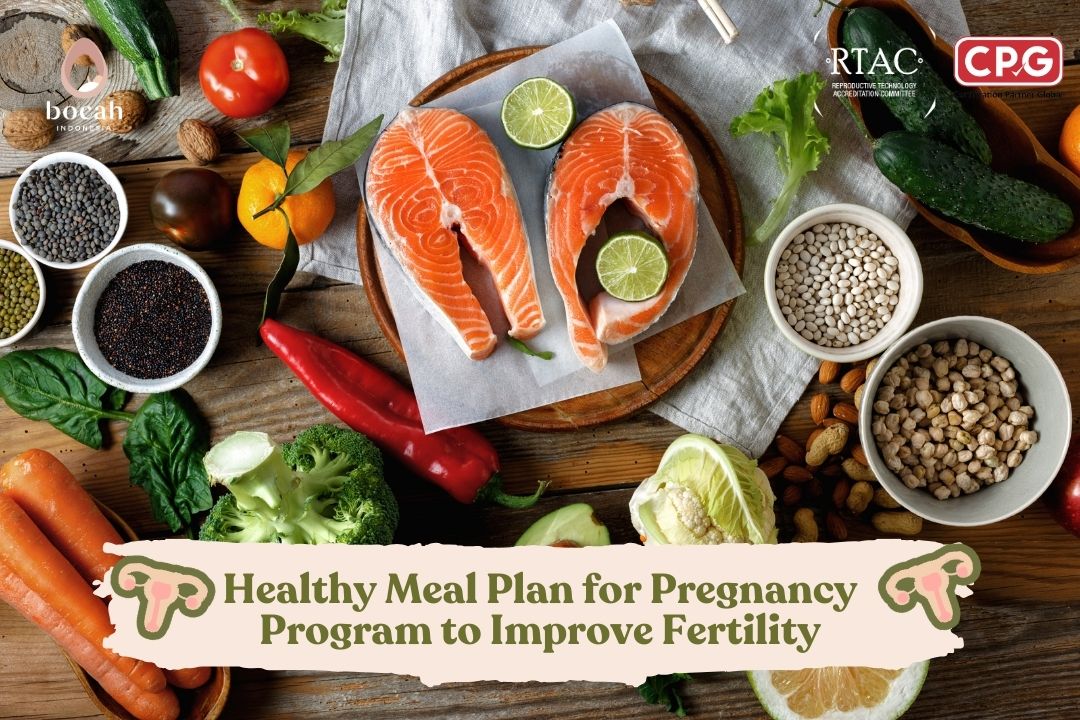
Consume fertility-friendly foods such as spirulina, maca, royal jelly, leafy greens (spinach, kale), avocados, and berries.
Add supplements like folic acid, CoQ10 Ubiquinol, and antioxidants to support egg quality.
Healthy foods help your body function optimally during preconception.
2. Maintain Uterine and Pelvic Floor Health
After age 37–40, egg quality declines significantly. Therefore, preparation for at least 3 months before trying to conceive is strongly recommended.
You can:
Exercise at least 30 minutes a day, 5 times a week.
Strengthen uterine and pelvic muscles with walking, fertility yoga, or Kegel exercises.
These activities help improve blood flow to the uterus and strengthen pelvic floor muscles.
3. Manage Stress Properly
Women at a mature age often carry more mental load. Stress can disrupt hormones and make conception more difficult.
Try:
Meditation
Acupuncture
Yoga or deep breathing
All of these support emotional balance and fertility.
4. Support Cervical Mucus Production
Hormonal changes can reduce cervical mucus production, even though this mucus helps sperm move toward the egg.
To support it:
Drink at least 6–8 glasses of water daily
Increase omega-3 intake through supplements or foods like salmon
5. Track Your Menstrual Cycle
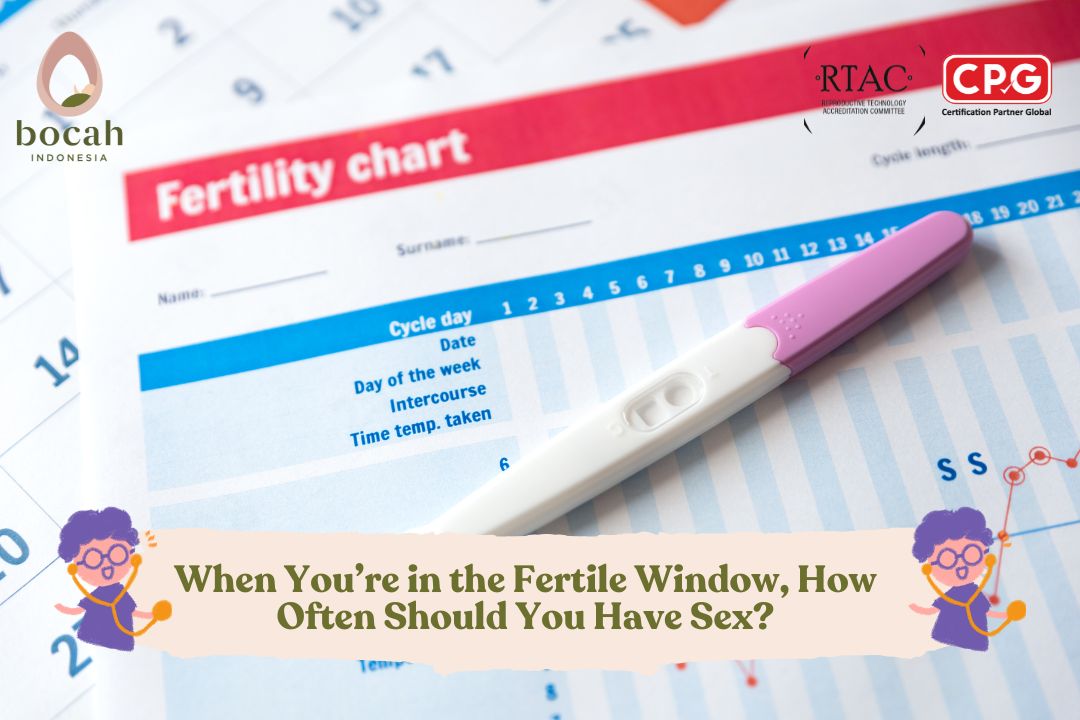
Understanding your fertile window is crucial. The most fertile period lasts only about 6 days:
3 days before ovulation
The day of ovulation
2 days after ovulation
Among women aged 35–40, having intercourse during the fertile window provides up to 78% chance of pregnancy—still relatively good, although lower than ages 20–34 (84%).
6. Maintain Good Sleep Quality
Sleeping 7–8 hours per night helps stabilize hormones. Lack of sleep can disrupt ovulation and affect egg quality.
7. Avoid Alcohol and Smoking
These habits can disrupt hormones, reduce egg quality, and lower the chances of pregnancy. If you are trying to conceive, it is best to avoid them entirely.
8. Maintain an Ideal Body Weight
Both being overweight and underweight can interfere with ovulation. You can consult a nutritionist to create a suitable plan.
9. Consult a Fertility Specialist
If you have been trying to conceive for some time without success, seeing a fertility specialist is the best step. Comprehensive evaluation will help determine the most appropriate fertility method.
Fertility Programs for Age 45
Two of the most common options for assisting pregnancy at a mature age are:
IVF (In Vitro Fertilization)
IVF involves retrieving eggs, fertilizing them in a laboratory, and implanting the embryo back into the uterus.
Benefits:
Helps women with ovulation disorders or endometriosis
Allows the use of donor eggs
Can detect certain genetic issues
Although the success rate for age 45 and above is about 15% per cycle, IVF remains the most effective method.
IUI (Intrauterine Insemination)
In this procedure, the best sperm are selected and inserted directly into the uterus during ovulation.
Benefits:
Minimally invasive
More affordable
Quick recovery
Although the success rate is only around 5% for women in their 40s, results can improve when ovulation timing is accurate and the woman’s body is well-prepared.
If you are 45 years old and planning a pregnancy, consider undergoing IUI or IVF at Bocah Indonesia. Their team of doctors and embryologists can help create a personalized fertility plan tailored to your condition, giving you the best and safest chance of achieving pregnancy.