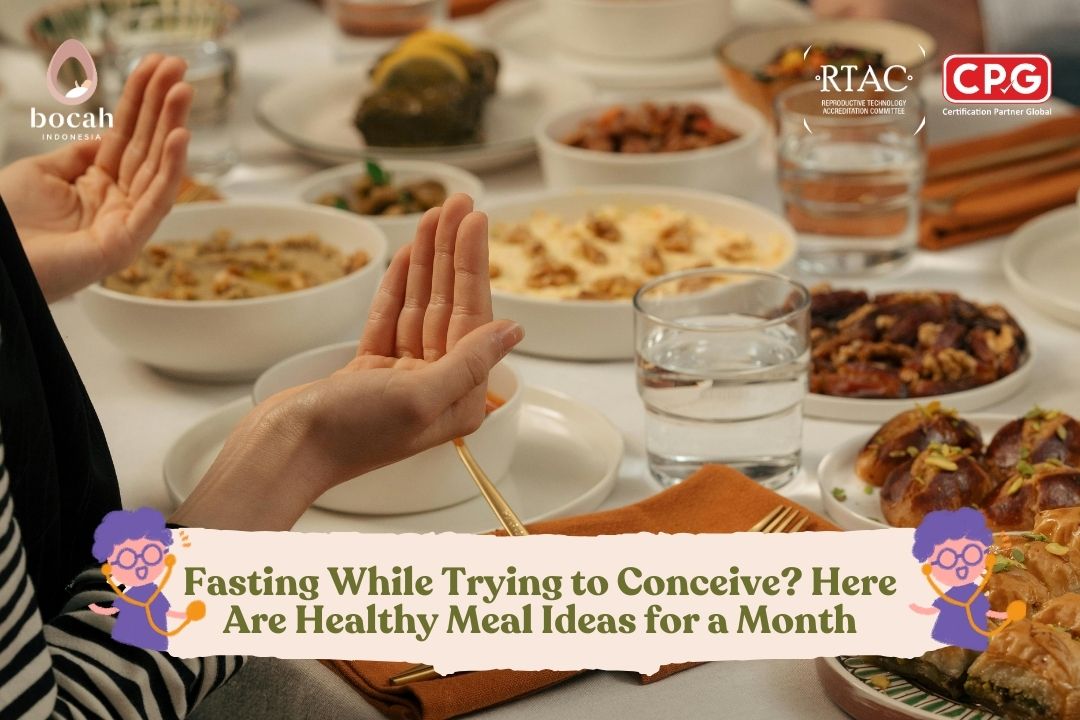
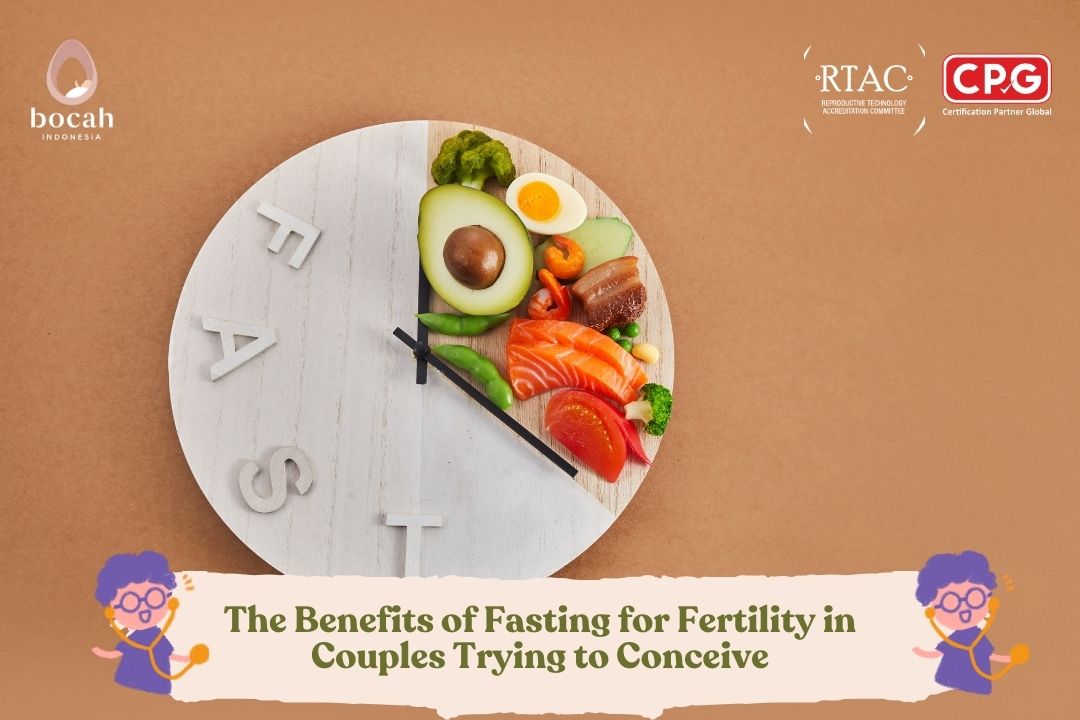
During the month of Ramadan, couples trying to conceive still need to pay close attention to their nutritional intake to maintain optimal chances of pregnancy success.
The meal for breaking the fast should not simply aim to satisfy hunger after a full day without food and drink. Couples should choose dishes rich in protein, fiber, healthy fats, vitamins, and minerals to ensure the body’s nutritional needs remain fulfilled.
With proper nutrition, Ramadan can still be observed comfortably while also supporting the success of a pregnancy program. Discover a one-month fertility-friendly meal inspiration for Ramadan in this article.
Fertility-Friendly Meals During the Fasting Month
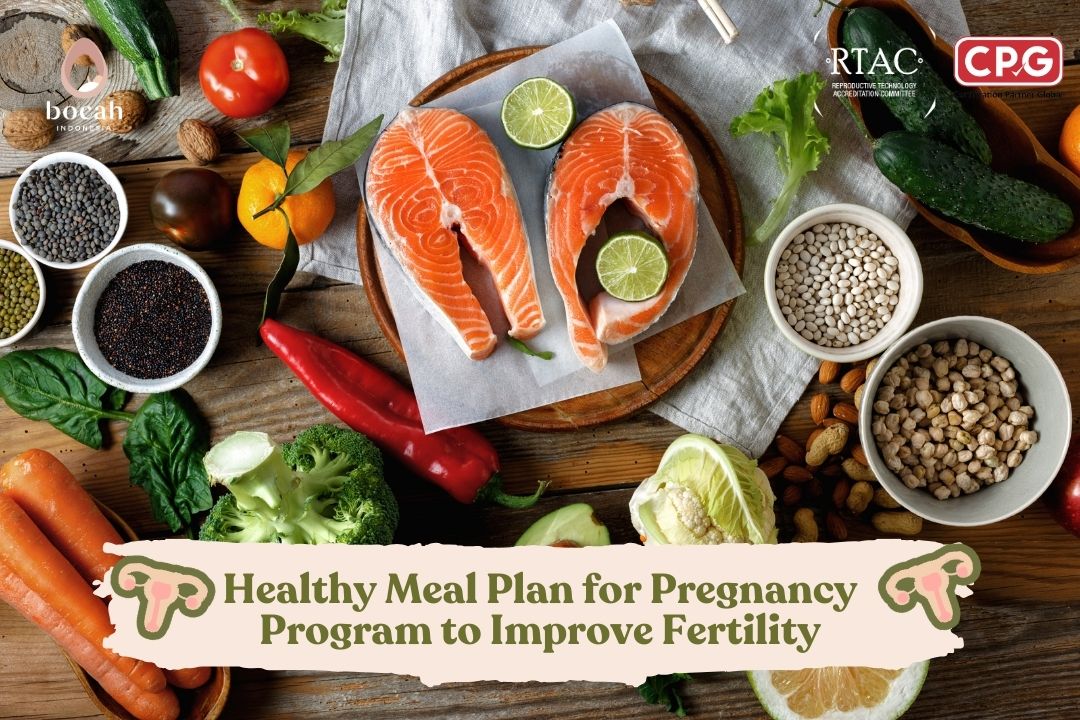
Below are several foods that couples can consume to meet balanced nutritional needs. These nutrients may help maintain hormonal balance, improve egg and sperm quality, and support immune function during the process of trying to conceive.
Date Milk (Nutritious Takjil)
Date milk can be a healthier option for breaking the fast compared with beverages high in added sugars. Dates contain antioxidants and minerals such as potassium and iron, while milk is rich in protein and calcium that support reproductive health.
Mulai Journey of Hope
Preparation
3 dates (remove the seeds)
200 ml warm milk (full-cream cow’s milk or high-protein milk)
Blend until smooth
Optional: add a small amount of chia seeds for extra fiber
Consumption & Serving Size
Drink 1 glass (±200 ml) at iftar.
Limit to one serving per day to keep natural sugar intake from dates under control.
Fresh Vegetable Salad (Source of Fiber & Antioxidants)
Salads help meet daily requirements for fiber, vitamins, and antioxidants that are important for egg and sperm quality.
Recommended Ingredients
Lettuce or fresh spinach
Tomatoes
Grated carrots
Cucumber
Avocado (healthy fats)
Almonds or walnuts
For the dressing, use olive oil, lemon juice, and a small amount of honey. Avoid high-sugar dressings or excessive mayonnaise.
An avocado yogurt smoothie helps provide healthy fats that support hormonal balance. Yogurt also contains probiotics that benefit digestive health, allowing nutrients to be absorbed more efficiently during fertility preparation.
Preparation
½ ripe avocado
150 ml plain unsweetened yogurt
1 teaspoon honey (optional)
50 ml water
Blend until smooth.
Consumption & Serving Size
Drink 1 small glass (±200 ml) at iftar.
Limit to one serving per day to maintain balanced calorie intake.
Clear Spinach Soup (Source of Iron & Folic Acid)
Spinach is rich in iron and folate, which are important for pregnancy preparation. Clear soup is also gentle on the stomach after a day of fasting.
Preparation
1 handful of fresh spinach
1 clove garlic (crushed)
300 ml water
1 piece sweet corn (optional)
Boil the water and add garlic and corn. Once cooked, add spinach briefly (about 1 minute), then remove to preserve nutrients.
Consumption & Serving Size
1 medium bowl at iftar.
Can be combined with protein sources such as tofu or eggs.
Lemon Grilled Salmon (Omega-3 for Fertility)
Salmon is rich in omega-3 fatty acids that play an important role in improving egg and sperm quality and helping regulate hormones.
Preparation
1 piece of salmon (±100–120 grams)
Lemon juice
1 teaspoon olive oil
A pinch of pepper and garlic powder
Coat the salmon with the seasoning and grill for about 10–15 minutes until fully cooked.
Consumption & Serving Size
Consume one medium portion as the main dish.
Ideally eaten 2–3 times per week to meet omega-3 needs.
Read also: 4 Ways to Prevent Dehydration to Support Fertility
Stir-Fried Broccoli and Carrots (Vitamin C & Antioxidants)
Broccoli and carrots are rich in vitamin C and beta-carotene, which help protect reproductive cells from oxidative stress.
Preparation
1 handful broccoli
1 carrot, thinly sliced
1 clove garlic
1 teaspoon olive oil
Sauté garlic, add vegetables, and add a small amount of water so the dish is not overly oily. Cook briefly to keep the vegetables crisp.
Consumption & Serving Size
1 small portion as a side dish.
Can be consumed almost daily with different vegetable variations.
Grilled Chicken Breast (High Protein)
Skinless chicken breast is a low-fat protein source that supports hormone production and cellular regeneration during fertility preparation.
Preparation
1 piece skinless chicken breast (±100–120 grams)
1 teaspoon olive oil
Minced garlic
A pinch of pepper and oregano
Season the chicken and marinate for 15 minutes, then grill until cooked through.
Consumption & Serving Size
1 medium portion as the main dish.
Can be consumed 2–3 times per week as a protein variation.
Boiled Eggs (Protein & Vitamin D Source)
Eggs contain complete protein, choline, and vitamin D, which are important for cell development and reproductive health.
Preparation
1–2 eggs
Boil for 7–10 minutes until fully cooked.
Consumption & Serving Size
1–2 eggs at iftar or combined with salad.
Safe for daily consumption in moderate amounts, depending on individual health conditions.
Steamed or Grilled Tempeh (Plant-Based Protein & Iron)
Tempeh is rich in plant-based protein, iron, and fiber that help maintain stable blood sugar levels during fasting.
Preparation
2–3 pieces of tempeh
Slice thinly, steam for 10 minutes, or grill with a small amount of olive oil
Sprinkle with garlic powder and pepper
Consumption & Serving Size
2–3 pieces as a side dish.
Can be consumed 3–4 times per week.
Lean Beef (Iron & Zinc)
Lean red meat contains heme iron and zinc, which help improve sperm quality and support ovulation.
Preparation
1 piece lean beef (±100 grams)
Stir-fry with garlic and a small amount of olive oil
Add black pepper to taste
Cook until fully done.
Consumption & Serving Size
1 medium portion, 1–2 times per week.
Avoid excessive consumption to maintain balanced fat intake.
Lentil Soup (Folate & Plant-Based Protein)
Lentils are a natural source of folic acid that is highly beneficial for pregnancy preparation.
Preparation
3 tablespoons dried lentils (soaked for 1 hour)
400 ml water
Chopped carrots and tomatoes
Garlic
Boil lentils until tender, then add vegetables and simple seasoning.
Consumption & Serving Size
1 small bowl as a complementary dish.
Can be consumed 2–3 times per week.
Grilled Mackerel (High Omega-3)
Mackerel is rich in omega-3 fatty acids that help improve sperm quality and motility.
Preparation
1 medium-sized mackerel
Lemon juice
1 teaspoon olive oil
Garlic and pepper
Season the fish and grill for about 15 minutes until cooked.
Consumption & Serving Size
1 medium fish, 2–3 times per week.
Pair with green vegetables when breaking the fast.
Pay Attention to Vitamin and Mineral Intake During Fasting
While trying to conceive during Ramadan, couples should pay attention to several important aspects to ensure their nutritional needs remain fulfilled.
Make sure to maintain adequate folic acid intake of around 400–600 mcg per day, according to a doctor’s recommendation, to support pregnancy preparation. Additionally, maintain proper hydration by drinking sufficient water between iftar and suhoor so the body remains well hydrated.
Avoid excessive sugar consumption and fried foods that may trigger inflammation and disrupt hormonal balance. At every iftar meal, aim to include a combination of protein, vegetables, and healthy fats to ensure balanced nutrition.
Source:
Gaskins, A.J. & Chavarro, J.E. (2019). Diet and Fertility: A Review. American Journal of Obstetrics and Gynecology, 218(4), pp. 379–389.
Kementerian Kesehatan Republik Indonesia (2019). Peraturan Menteri Kesehatan Republik Indonesia Nomor 28 tahun 2019 Tentang Angka Kecukupan Gizi yang Dianjurkan Untuk Masyarakat Indonesia.