A delayed menstrual period is often considered an early sign of pregnancy. Many couples—especially Ayah and Bunda who are undergoing a fertility program (promil)—immediately hope for good news when menstruation does not arrive on time. However, this condition is not always related to pregnancy.
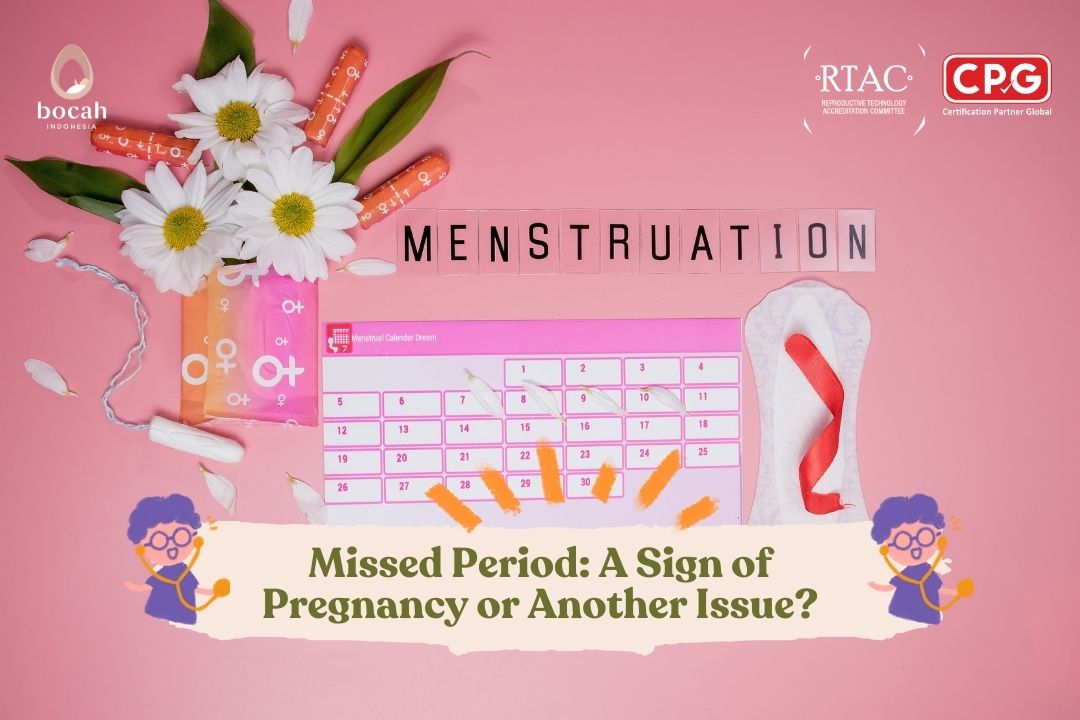
Each woman’s menstrual cycle is unique. In general, a normal cycle ranges from 21 to 35 days, calculated from the first day of the last menstrual period. If Bunda does not experience menstruation for more than 35 days, this condition is classified as a late menstrual period.
Although common, this situation should not be ignored. A delayed period may also indicate an underlying health condition that requires medical attention—especially if Bunda is preparing for pregnancy, either naturally or through assisted reproductive technologies such as in vitro fertilization (IVF).
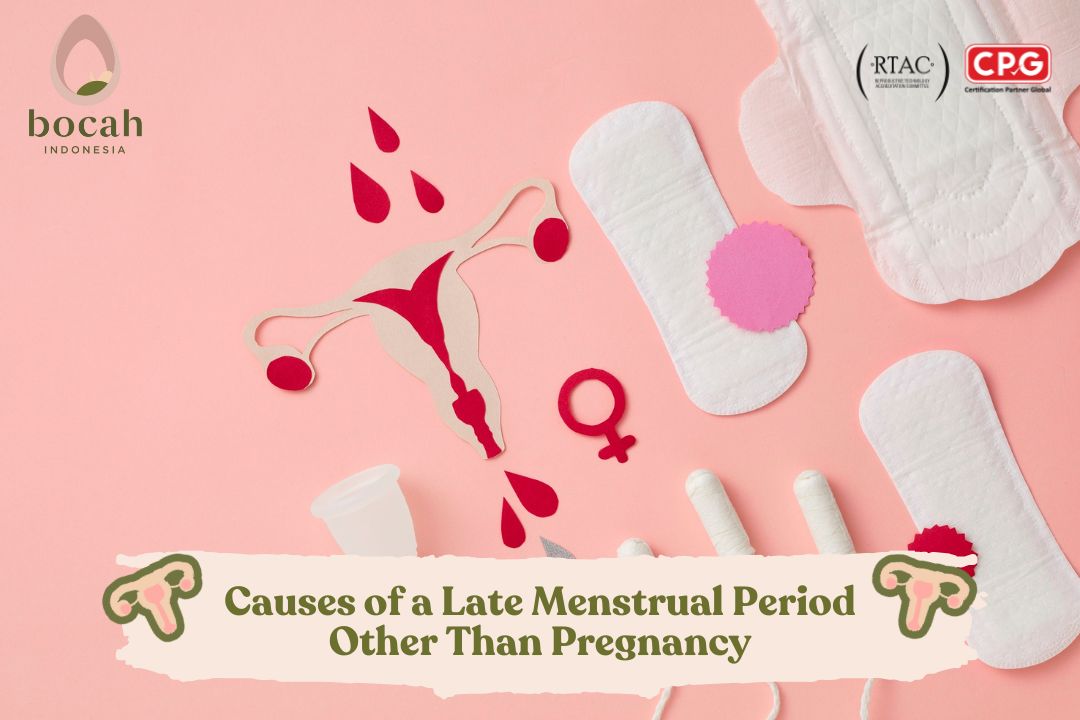
Causes of a Late Menstrual Period Other Than Pregnancy
A delayed period is not always a sign of pregnancy. Several conditions may cause it, including:
1. Thyroid Disorders
The thyroid gland plays a crucial role in regulating metabolism and hormonal balance. When thyroid function is impaired, the menstrual cycle may become irregular. Common symptoms include fatigue, significant weight changes, dry hair, and increased sensitivity to temperature. With appropriate medical treatment, the menstrual cycle can usually return to normal.
Mulai HER Hope
2. Excessive Stress
Stress can affect the hypothalamus—the part of the brain that regulates reproductive hormones. This condition is commonly experienced by women undergoing fertility programs or facing emotional pressure. Managing stress through relaxation techniques, light exercise, or enjoyable activities can help normalize the menstrual cycle.
3. Effects of Hormonal Contraceptives
Birth control pills, injectable contraceptives, and implants contain hormones that influence ovulation and the menstrual cycle. After discontinuing their use, the body may need up to three months to return to a normal cycle, particularly for women planning pregnancy.
4. Elevated Prolactin Levels
High levels of the hormone prolactin can disrupt the balance of estrogen and progesterone, leading to delayed menstruation. This condition may be triggered by breastfeeding, thyroid disorders, or pituitary gland tumors. In addition to late periods, women may experience constipation due to slowed intestinal muscle activity.
5. Drastic Weight Loss
Very low body weight—such as that caused by eating disorders like anorexia nervosa or bulimia nervosa—can suppress ovulation. For couples undergoing a fertility program, maintaining an ideal body weight is a key factor in supporting the chances of conception.
6. PCOS (Polycystic Ovary Syndrome)
PCOS is a hormonal disorder characterized by excessive production of androgens. This condition often causes irregular menstruation or even the absence of periods. PCOS is also a common challenge for couples trying to conceive, including those considering IVF.
7. Certain Chronic Diseases
Chronic conditions such as diabetes mellitus and celiac disease can affect hormonal balance and nutrient absorption. If poorly controlled, these diseases may lead to delayed menstruation and reduced fertility.
8. Obesity or Excess Body Weight
Excess body weight can trigger hormonal changes that result in irregular menstrual cycles. Physicians typically recommend a balanced diet and regular physical activity, especially for women who are trying to conceive.
9. Smoking Habits
Harmful substances in cigarettes, such as nicotine, can interfere with estrogen—a hormone essential for regulating the menstrual cycle. Quitting smoking is an important step for couples who wish to improve their chances of pregnancy.
10. Premature Menopause
Premature menopause occurs when the ovaries stop functioning before the age of 40. This condition is marked by delayed or absent menstruation, night sweats, and sleep disturbances. It requires special medical management, particularly for women who still wish to have children.
These are several causes of delayed menstruation aside from pregnancy. If Bunda experiences late periods for three consecutive cycles while pregnancy test results remain negative, it is strongly recommended to consult a physician.
With appropriate examinations, a doctor can identify the underlying cause and recommend the best course of action—whether for reproductive health, natural conception planning, fertility programs (promil), or assisted reproductive treatments such as IVF.