Behind their naturally sweet taste, figs are known as nutrient-dense fruits with numerous health benefits. But is it true that figs offer benefits for women who are undergoing a pregnancy program (promil)?
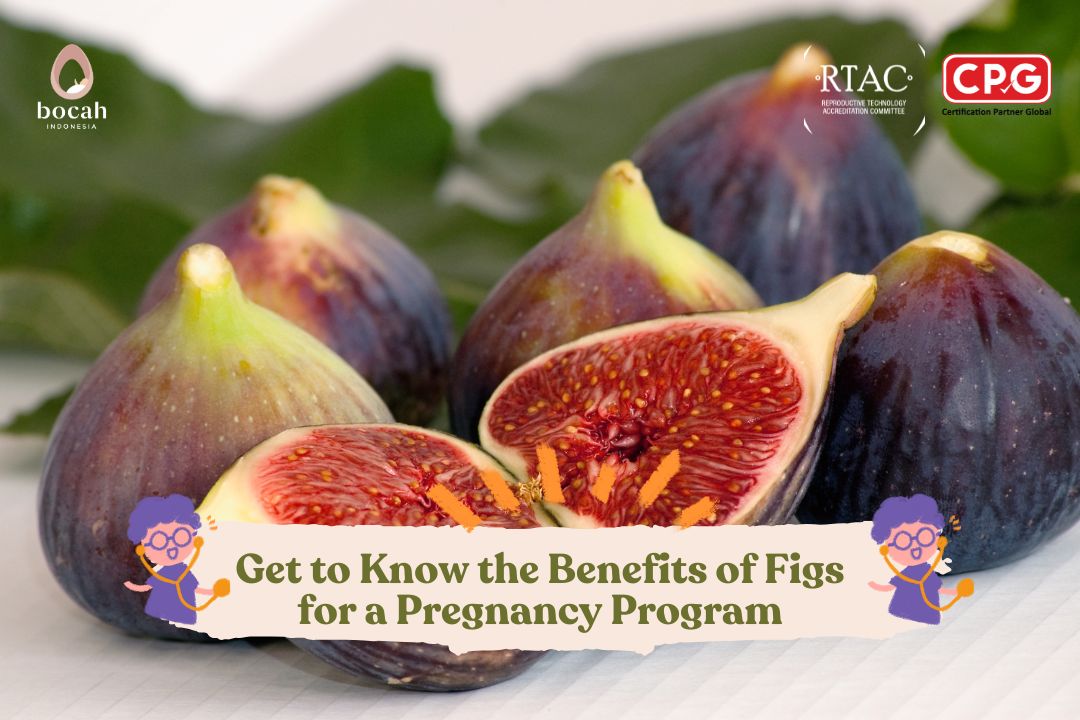
During a pregnancy program (promil), proper nutritional intake plays a crucial role in preparing both the mother’s and father’s bodies to better support conception and welcome a baby. One fruit that has recently gained attention is the fig, also known as the common fig (Ficus carica).
Figs generally grow in tropical and subtropical regions, such as the Middle East and the Mediterranean. They have a unique teardrop-like shape, with skin ranging from green to deep purple. The flesh is pinkish-red and contains many small seeds that provide a pleasant crunch when eaten.
Nutritional Content of Figs
The natural sweetness of figs comes from their natural sugar content, which is higher in dried figs. Nevertheless, figs remain relatively low in calories and are rich in essential nutrients.
In 100 grams of fresh figs, there are approximately:
Mulai HER Hope
74 calories
2.9 grams of dietary fiber
0.75 grams of protein
Calcium, magnesium, phosphorus, and potassium
Vitamin C and vitamin E
In addition, figs contain vitamin B6, copper, and various antioxidants that are beneficial for overall health. These nutrients are important factors for couples who are trying to conceive.
Benefits of Figs for a Pregnancy Program
Before discussing the benefits in more detail, it is important to note that figs are a source of:
High dietary fiber, which supports digestion and metabolism
Essential vitamins and minerals, such as vitamins A, C, and K, calcium, magnesium, iron, and potassium
Natural antioxidants, including polyphenols and flavonoids, which help protect body cells from oxidative stress
This combination makes figs a healthy snack option during a pregnancy program.
Health Benefits of Figs During a Pregnancy Program
Below are several benefits of figs that are relevant for couples who are trying to conceive:
1. Supporting Digestive Health
The high fiber content helps prevent constipation and maintains gut health, allowing optimal nutrient absorption during a pregnancy program.
2. Rich in Antioxidants
Antioxidants in figs help fight free radicals and protect cells, which is important for maintaining the quality of both eggs and sperm.
3. Supporting Heart Health
Potassium and fiber in figs help maintain stable blood pressure and support cardiovascular health during preconception preparation.
4. Helping Regulate Blood Sugar Levels
Fiber and bioactive compounds in figs can slow glucose absorption, helping to maintain stable blood sugar levels—especially important for women preparing for pregnancy.
5. Supporting Bone Health
Calcium, magnesium, and phosphorus contribute to maintaining bone strength, which is essential for pregnancy preparation and long-term health.
6. Maintaining a Healthy Weight During a Pregnancy Program
Low in calories yet high in fiber, figs help promote satiety and support healthy weight management during a pregnancy program.
7. Enhancing Immune Function
Vitamin C and antioxidants help strengthen the immune system, preparing the body for the physical demands of a pregnancy program.
8. Beneficial for Preconception Preparation
Figs contain important nutrients such as iron, folate, and calcium that are needed during the preconception period. However, intake should still be adjusted according to individual health conditions.
9. Supporting Hormonal Balance
Figs contain vitamin B6 and minerals such as magnesium that help support hormonal function. Hormonal balance is crucial in a pregnancy program, particularly for regulating the menstrual cycle and supporting sperm quality.
10. Helping Reduce Fatigue During a Pregnancy Program
A pregnancy program can often lead to fatigue due to dietary changes and stress. Natural carbohydrates, magnesium, and potassium in figs can help maintain stable energy levels throughout the day.
11. Helping Reduce Stress and Inflammation
Antioxidants and anti-inflammatory compounds in figs may help reduce mild inflammation and oxidative stress. A more relaxed and healthy body condition supports readiness during a pregnancy program.
12. Supporting Reproductive Cell Quality
Antioxidant intake from figs helps protect body cells, including eggs and sperm, from damage caused by free radicals. This is a supportive factor for couples trying to conceive, although it should be combined with an overall healthy lifestyle.
13. Improving Sleep Quality
Magnesium in figs is known to promote relaxation and improve sleep quality. Adequate and restful sleep plays an important role in maintaining hormonal balance during a pregnancy program.
14. A Healthy Snack Alternative During a Pregnancy Program
Figs can be a healthier snack option compared to foods high in added sugars. Their natural sweetness and high fiber content help control appetite without disrupting a pregnancy-focused diet.
15. Easy to Incorporate Into a Pregnancy Program Diet
Figs can be combined with yogurt, oatmeal, salads, or smoothies, making it easier for couples to consistently maintain a healthy diet during a pregnancy program.
Although figs offer many health benefits, consuming figs should not replace medical evaluation during a pregnancy program. Every couple has different health conditions and needs.
If you and your partner are undergoing a pregnancy program or trying to conceive, it is best to combine a healthy diet with regular consultations with a doctor or healthcare professional to ensure the program runs optimally and according to your body’s needs.
Because the journey toward welcoming a baby is not only about healthy food, but also about appropriate medical guidance.